Monitoring climate change from space

Monitoring climate change from space

09 AUGUST 2019

Yesterday saw the release of yet another disturbing report from the United Nations (UN) Intergovernmental Panel on Climate Change (IPPC), this time underpinning how critical human exploitation of land is a causal parameter of climate change.

The big takeaway is that while the UN has repeatably advocated for the reduction of the use of fossil fuels, this will not be enough to circumvent climate change and ensure a sustainable trajectory alone.

Unsustainable land use practices and a growing population has resulted in an ever-increasing emission of greenhouse gases into the atmosphere, exacerbating climate change, which consequently worsens the state of the planet – making it largely uninhabitable in many areas.

However, while the exploitation of land, and unsustainable land use practices is a big part of the problem, contributing almost 25% of global greenhouse emissions, it is also a major part of the solution.

In DHI GRAS we have a long history of almost 20 years, developing transformative applications based on satellite-data to provide critical information on the state of our planet, ecosystems and dynamics which can be used to mitigate the impacts of climate change and contribute to increase efficiency and effectiveness in our land use systems.

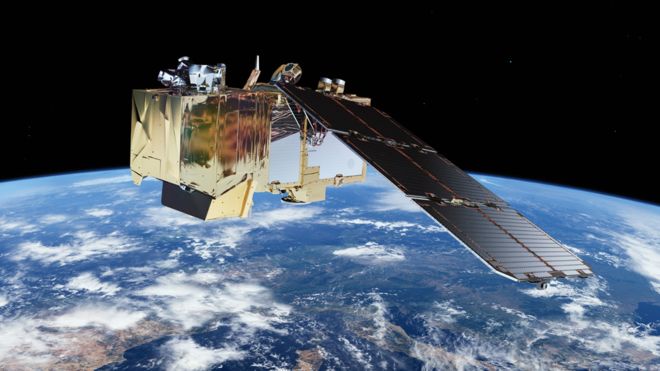
Using advanced machine learning algorithms and high-resolution data from the Sentinel satellites, we can measure and monitor a long range of parameters which can be used to optimize agricultural production systems and land use practices.

  • We can monitor and map land degradation and land degradation risk, which enables decision makers to take timely action to avoid, reduce and reverse land degradation which is critical to protect critical ecosystems which maintain biomass and mitigate climate change impacts.
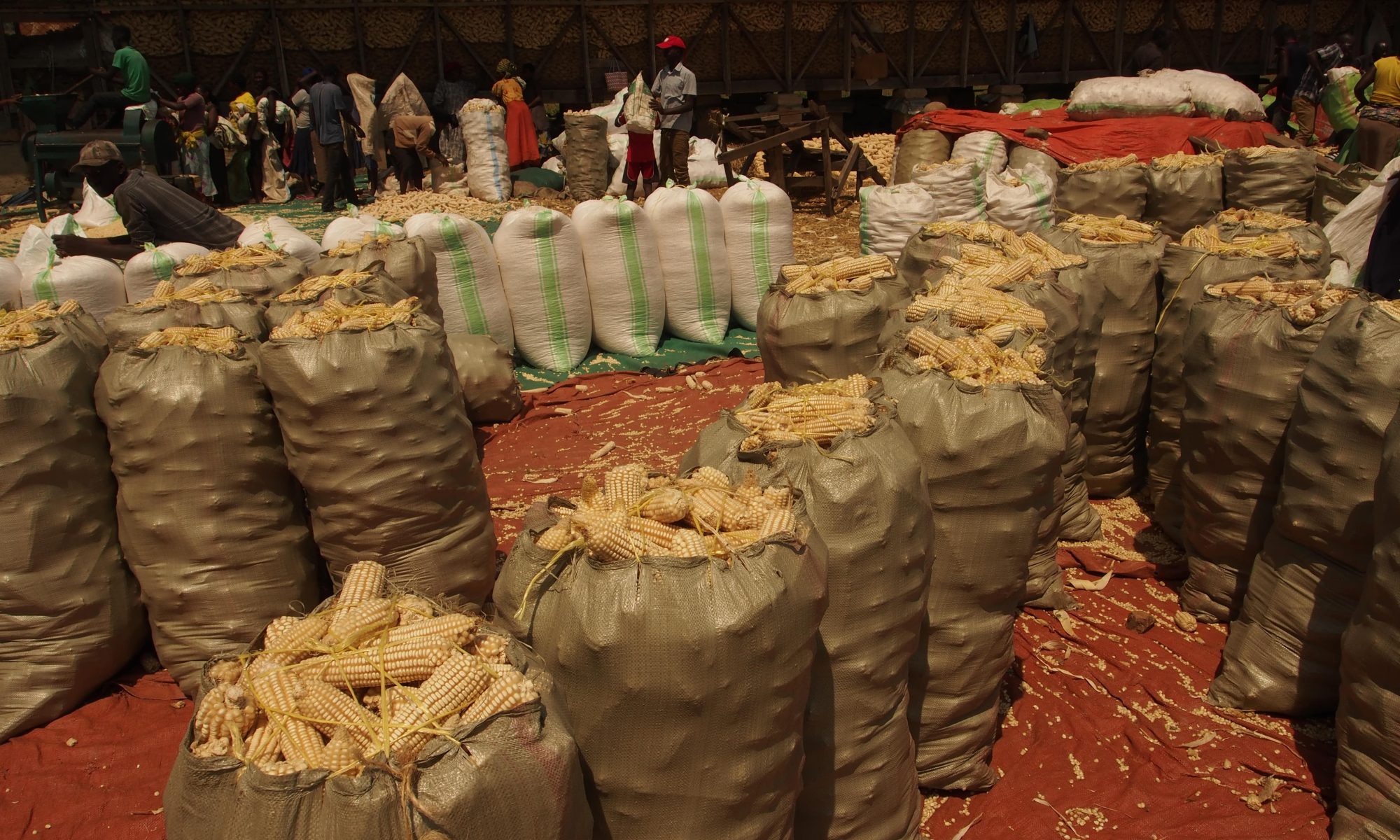
  • We can monitor the productivity of production systems to provide key data and information which allows farmers and smallholders to optimize the use and application of fertilizers and pesticides to limit the release of CO2 and nitrous oxides.
  • Actual evapotranspiration can be measured at field level, by estimating transpiration from the vegetation and the evaporation from soil surfaces. As climate change is significantly reducing the quantity of renewable surface water and groundwater resources, this information is critical in order to optimize the amount of carbon assimilated as biomass in the crop, per water unit used in the production. We are currently applying this approach within an irrigation scheme in Uganda, under our AI4WATER project, aiming to reduce water consumption by 30%.


    Besides contributing with data and information relevant for the optimisation of land production systems, we deliver critical data which can be used to monitor the effects of climate change and mitigate impacts.

  • Based on historical and recent satellite imagery we can extract information about coastal dynamics, providing estimations of coastline changes (meters/year) caused by factors such as sand erosion/deposition, storm surges and sea level rise.
  • We can provide near real-time information on marine ecosystems including water quality, which provides key information allowing for proactive management of water incidents, such as algal blooms caused by release of excess nutrients from agriculture, red tides or sediment plumes.
  • We can proactively monitor flood risks and map the extent of flooding events, which is critical for efficient flood risk management and land use planning.
  • We can monitor temperature changes, i.e. to identify urban heat islands, and we can map impervious surfaces which can be used by city planners and public authorities to manage and plan green spaces and manage water runoff to prevent flooding, erosion and water pollution.

    So, while the IPCC concludes that the planet is on an unsustainable trajectory, we believe we are part of the solution – by bridging critical earth observation data and relevant stakeholders, we can enable decision makers to take confirmative actions to respond to the severity of climate change.

More information about climate related services at DHI GRAS
Earth Observation Centre of Excellence part of the DHI GROUP

info@dhigroup.com
+45 4516 9200

Agern Alle 5,
2970 Hørsholm,
Denmark

CVR: 36466871

Preparing national paying agencies for CAP2020+

Preparing national paying agencies for CAP2020+:

02 July 2019

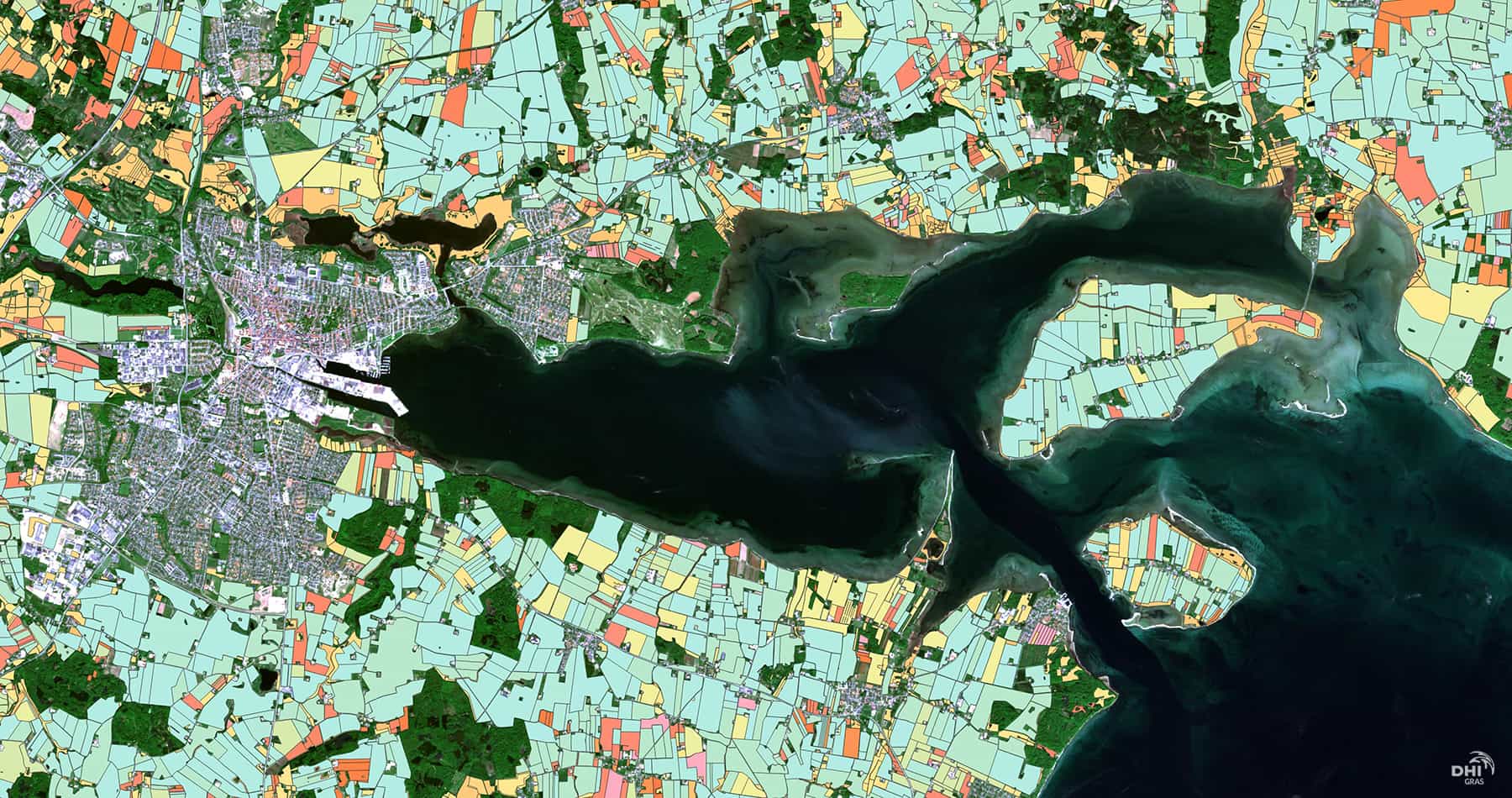
We are very pleased to announce that we will be supporting the Danish Agricultural Agency (DAA) in the coming years with a “first of its kind” national monitoring system under the CAP 2020+.

Through our past projects with the DAA, we have developed in-house data processing systems that are tailor-made for these two new project wins using satellite image analyses for agricultural monitoring, where DHI GRAS is the sole lead for the first project and will be joining forces with NEO BV Netherlands for the second one.

Our processing systems are well capable of handling the large amounts of satellite data and our experienced team is ready to deliver cutting-edge remote sensing services for a national-scale agricultural monitoring system.

DHI GRAS has since its beginning in 2000 kept at the forefront of Earth Observation (EO) technology, and continuously tested and developed new methods to enhance the uptake of EO-based services.

We are therefore excited to be part of shaping the new monitoring practices for the DAA and for other countries to tap into the experience and services developed during the projects.


More information about agricultural monitoring at DHI GRAS

Earth Observation Centre of Excellence part of the DHI GROUP

info@dhigroup.com
+45 4516 9200

Agern Alle 5,
2970 Hørsholm,
Denmark

CVR: 36466871

Supporting the Copernicus Land Team at the European Environment Agency

Supporting the Copernicus Land Team at the European Environmental Agency:

28 June 2019

In continuation of our excellent collaboration on previous activities with the European Environment Agency (EEA), DHI GRAS is providing on-site consultancy services for the Copernicus Land Team at the centrally-located offices of the EEA in the heart of Copenhagen.

We are supporting the Copernicus Land Team with on-going Pan-European mapping activities and advising on technical specifications including recommendations on geospatial data and systems integration, such as the integration of Copernicus Land Monitoring Service (CLMS) data in DIAS (Data and Information Access Services) platforms.

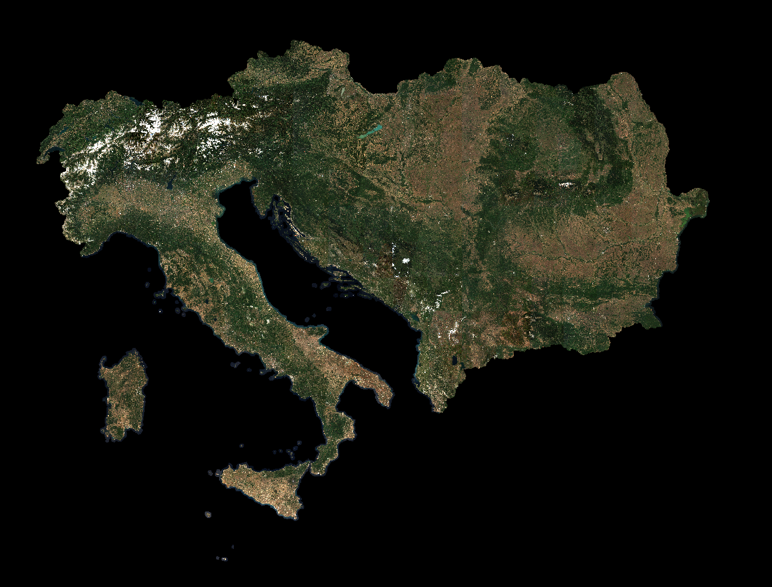
We are also producing seamless high resolution image mosaics of 39 European countries (EEA39), which are both geometrically and radiometrically corrected.

Copernicus is the European Union's Earth Observation Programme, looking at our planet to provide users in the field of environment and other terrestrial applications with information based on space data in six thematic areas: land, marine, atmosphere, climate change, emergency management and security.


For more information about our previous activities with the EEA and Copernicus Land Monitoring Service

Saving water with satellites

Saving water with satellites:

17 June 2019

A new system is being considered for inclusion in the EU’s Earth Observation programme, Copernicus, to estimate water-use by plants evapotranspiration and to improve crop water-use productivity.

The Land Surface Temperature Monitoring (LSTM) mission will be able to identify the temperatures of individual fields and would be more than 400 times as detailed as what is delivered by the current Sentinel satellite land surface temperature sensors.

The increased resolution and precision of LSTM will enable specialists to calculate in real time how much water different plants require in different areas, and how often those plants need to be irrigated. It could also be used to help predict drought conditions.

The LSTM mission will complement the existing family of Copernicus satellites, sentinels, for observing the land and coastal areas, and will hopefully become an operational spacecraft within the next decade.

Our senior remote sensing specialist, Radoslaw Guzinski, is one of the authors behind the Mission Requirements Document, and we will follow the activities closely in the coming years.


In the meantime, we are working on innovative methods and tools to estimate field-scale plant water-use with the data coming from existing Copernicus satellites. See link below for project website.

Earth Observation Centre of Excellence part of the DHI GROUP

info@dhigroup.com
+45 4516 9200

Agern Alle 5,
2970 Hørsholm,
Denmark

CVR: 36466871

National Geographic Explorer Festival

National Geographic Explorer Festival:

13 June 2019

As part of our AI4Earth grant funded by Microsoft and National Geographic Society, Torsten Bondo is in Washington DC for the annual National Geographic Explorer Festival.

It is an extremely exciting and inspiring venue featuring marine biologists, glaciologists, mountaineers, photographers and many other people with an interest in natural sciences.

Torsten Bondo is there to discuss our Uganda project using AI and satellites to assist agricultural irrigation schemes and safeguard the scarce water resources. A method that has the potential to work on a global scale.

Berlingske Media has published an article about the project [in Danish].

Earth Observation Centre of Excellence part of the DHI GROUP

info@dhigroup.com
+45 4516 9200

Agern Alle 5,
2970 Hørsholm,
Denmark

CVR: 36466871

World Oceans Day 2019

World Oceans Day:

08 June 2019

DID YOU KNOW

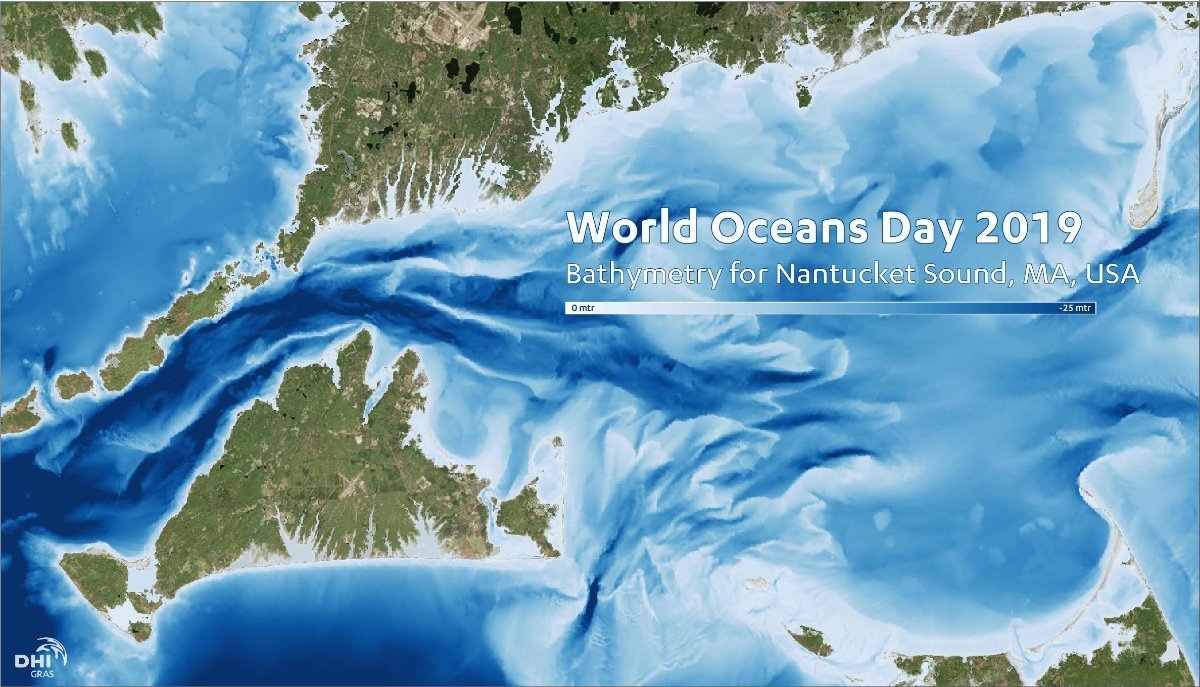
You can get bathymetry data from satellites?

Bathymetry is a key element in Hydrodynamic Modelling and Marine Spatial Planning activities.

Accurate and detailed bathymetry data is therefore an important factor for a successful implementation of a sustainable Blue Economy.

We celebrate World Oceans Day with an example of a bathymetry map from an area with intense focus on Offshore Wind Energy.

Here the Satellite-Derived Bathymetry has been merged with other existing data sets to create a seamless, fully updated and detailed bathymetry layer.

In recent years, advances in the satellite technology and physical modelling has allowed for vast improvements in the accuracy and availability of Satellite-Derived Bathymetry data.

It is also much more cost-efficient than traditional survey methods and mitigates the environmental impact of onsite surveys.

To learn more, visit:

Earth Observation Centre of Excellence part of the DHI GROUP

info@dhigroup.com
+45 4516 9200

Agern Alle 5,
2970 Hørsholm,
Denmark

CVR: 36466871

Working with Forests of the World in Honduras

Working with Forests of the World in Honduras:

06 June 2019

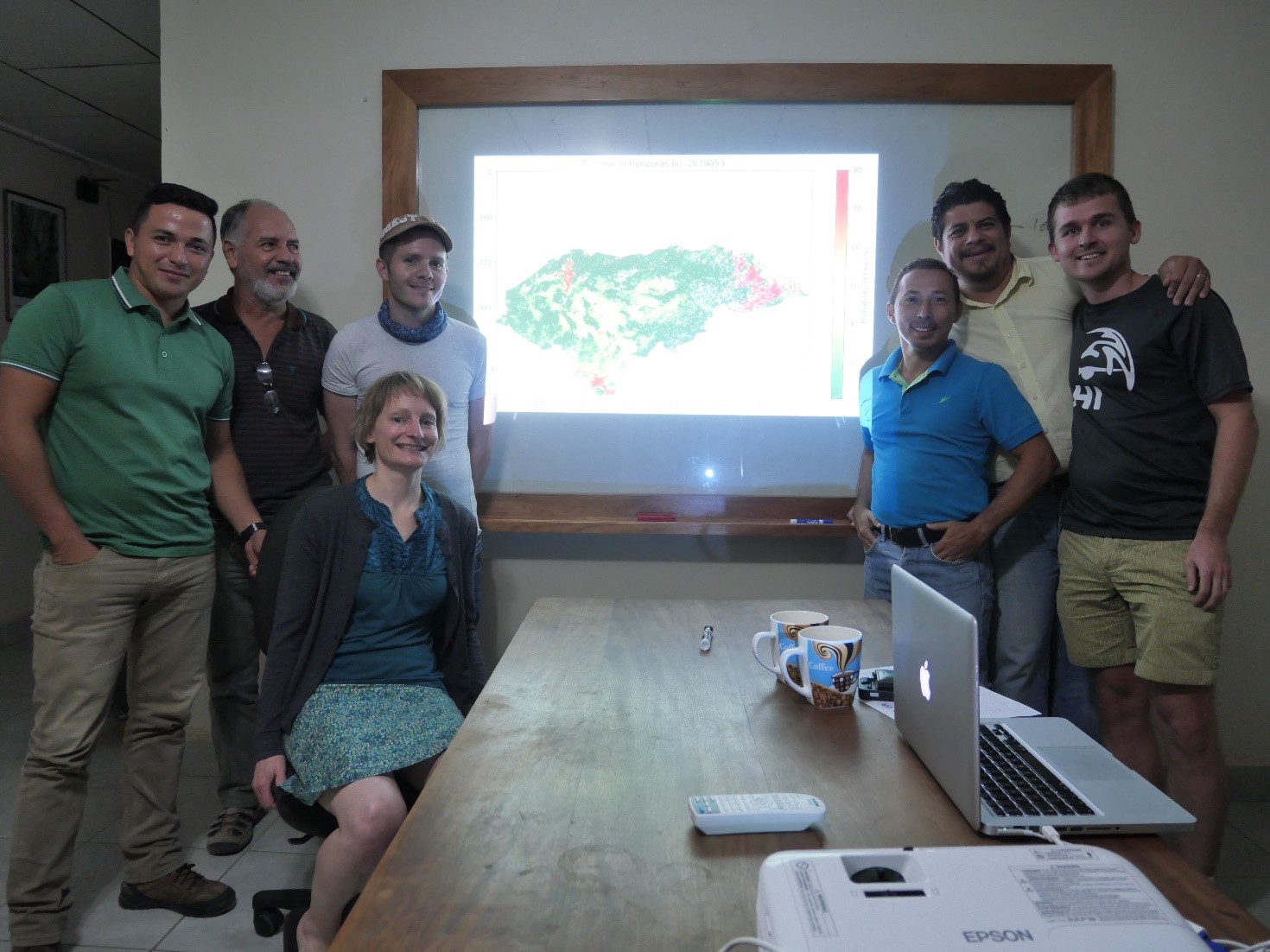
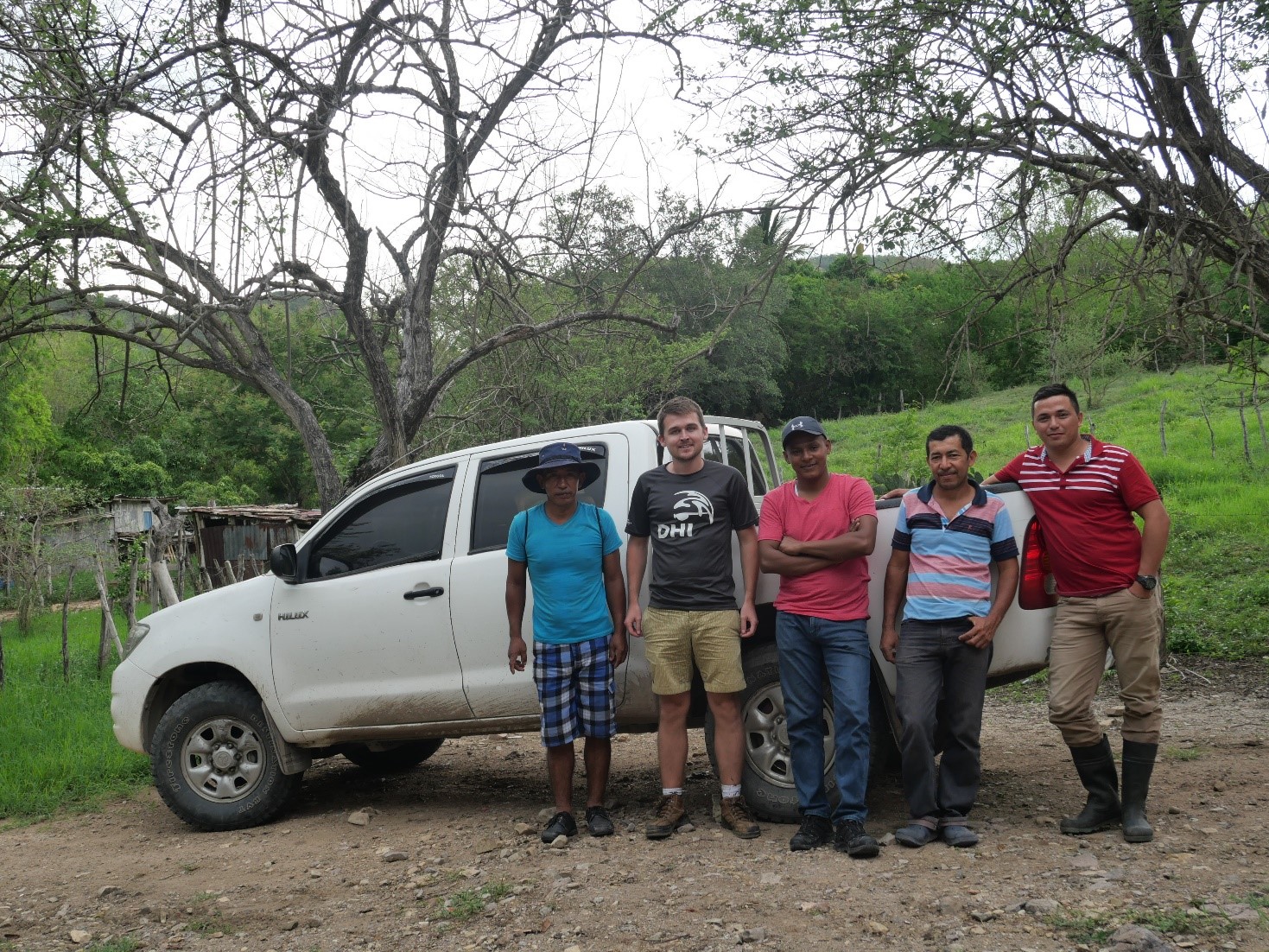
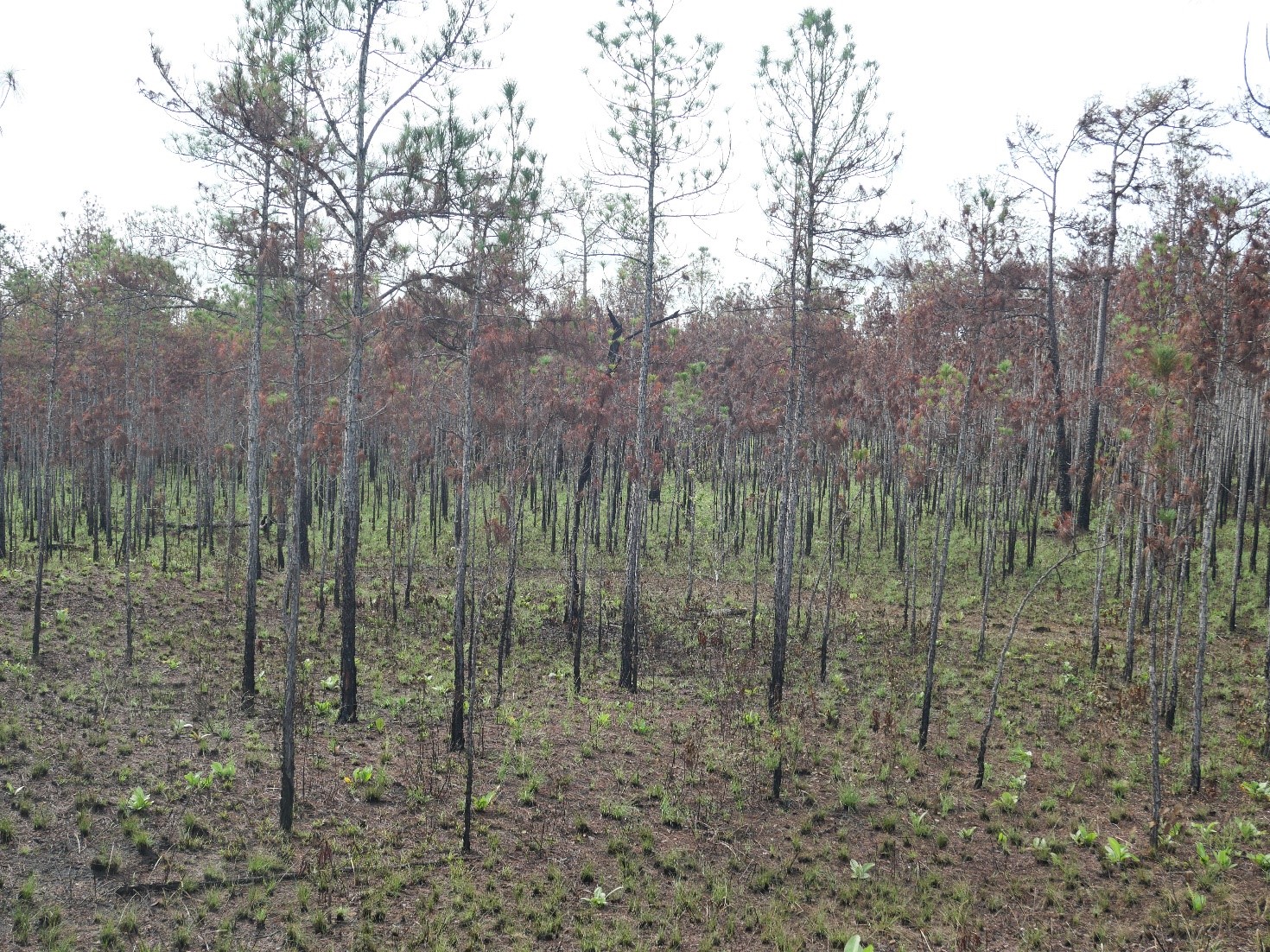
The past two weeks Silvia Huber and Daniel Druce have been in Honduras, where they have held a hands-on training session on using specialized remote sensing tools for forest monitoring with our partner, Forests of the World (Verdens Skove) and assessed the results in the field.

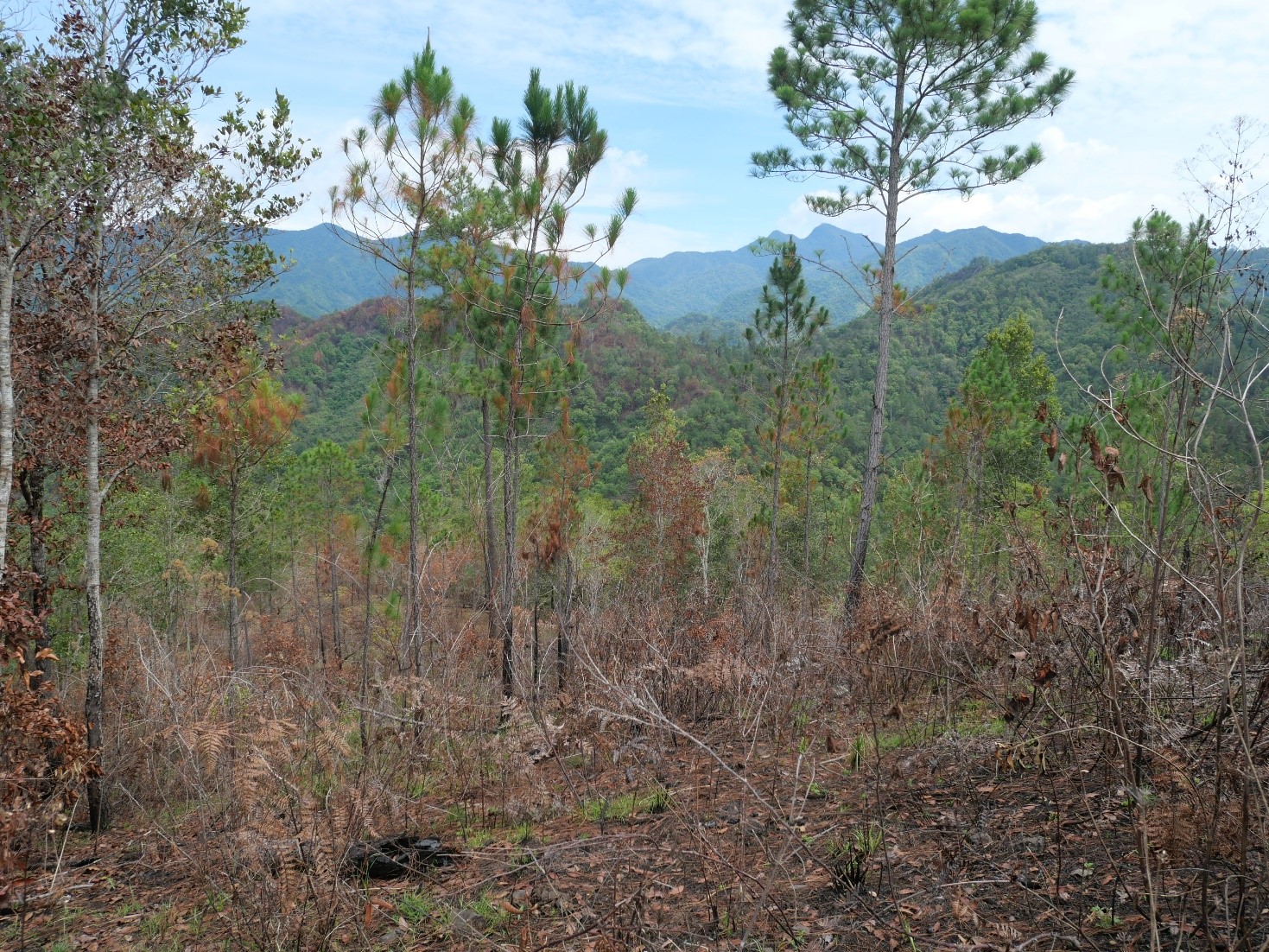
The aim of the training was to teach local key individuals from Forests of the World how to use Google Earth Engine and other tools for monitoring pine forests affected by the destructive pine bark beetle, including the methodology of a fire risk analysis.

We also evaluated the effectiveness of the results, we have created for pine bark beetle monitoring. Few areas are currently under attack from pine bark beetles, which limits the validation results, but attacks are expected in the near future, which is why it is important to develop monitoring systems now so they are in place when the attacks happen again.

Burnt areas were easily detected, which is good news as both threats cause the pine trees to turn red. Therefore, it is likely, that it will also prove a good indicator of pine bark beetle attacks but further validation is necessary.

Our training was well received, and we look forward to continuing our activities in Honduras with Forests of the World.

Forest of the World has written a blog post about our joint ventures in Honduras [in Danish], follow the link.

Earth Observation Centre of Excellence part of the DHI GROUP

info@dhigroup.com
+45 4516 9200

Agern Alle 5,
2970 Hørsholm,
Denmark

CVR: 36466871

World Environment Day 2019

World Environment Day 2019:

05 June 2019

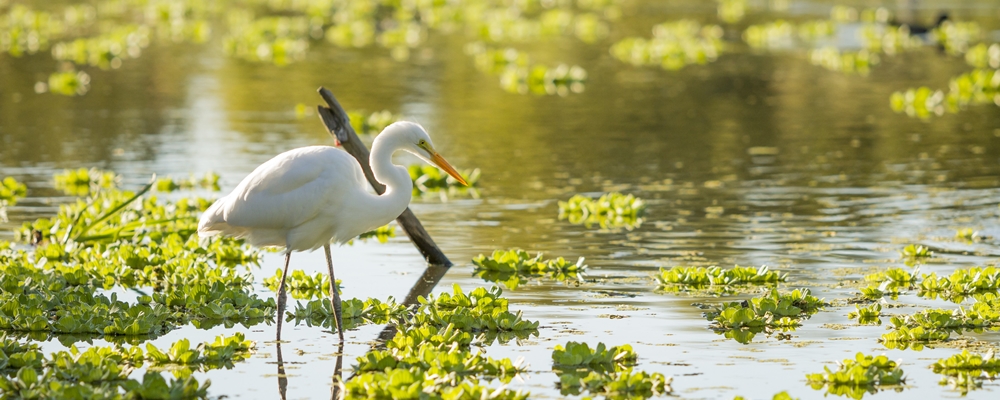
Today is World Environment Day, and we want to highlight the importance of wetlands.

Wetlands are vital ecosystems for countless of species and are among the world’s most productive environments. The properties of wetlands serve as Ecosystem services ranging from freshwater supply to climate change mitigation.

Wetlands are sensitive to atmospheric disturbances, and the ecosystem services that many livelihoods depend on are threatened.

90% of all UN member states have ratified the Ramsar Convention, which provides the framework for the conservation and wise-use of wetlands and their resources.

We are part of a project led by the Ramsar Center for Eastern Africa (RAMCEA), setting out to explore the potential of Earth Observation satellite data for taking stock of and monitoring wetlands.

The project has demonstrated how Earth Observation can support wetland monitoring in Uganda and with continued training sessions can become a valuable tool for wetland managers and practitioners, not only in Uganda, but potentially also paving the way for other East African countries to achieve a complete wetland inventory in the future.

To learn more, please visit:

Earth Observation Centre of Excellence part of the DHI GROUP

info@dhigroup.com
+45 4516 9200

Agern Alle 5,
2970 Hørsholm,
Denmark

CVR: 36466871

From the wettest month to the sunniest

From the wettest month to the sunniest:

24 May 2019

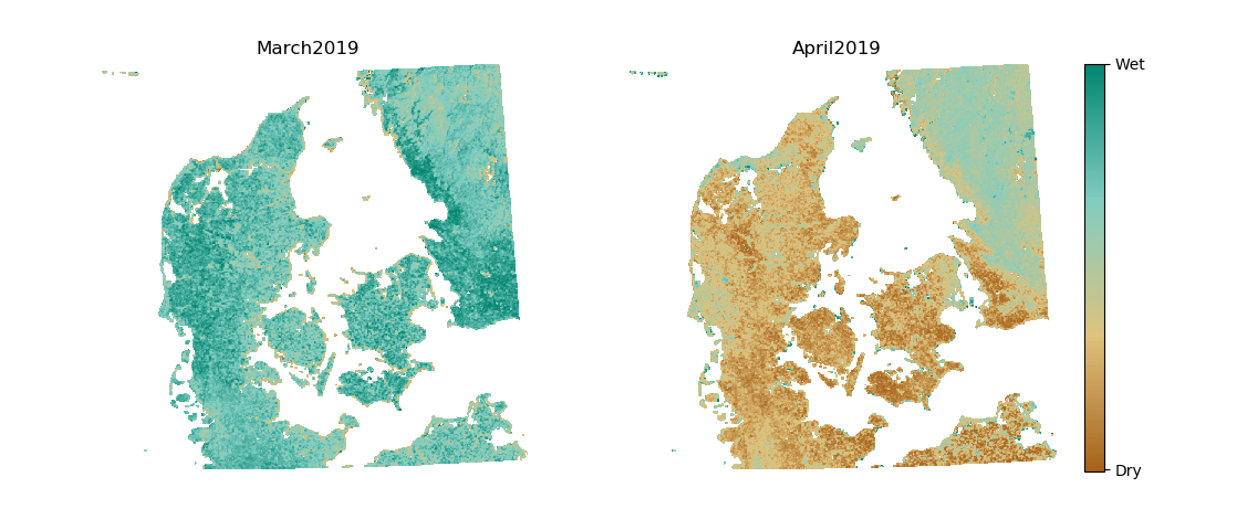
A new rainfall record in March was followed by a very dry April with record sunshine hours.

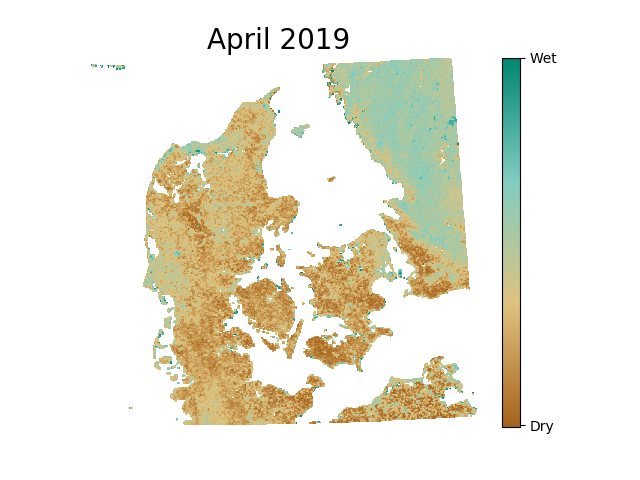
Recent weather patterns in Denmark is giving us an opportunity to show you how satellites can be used to extract soil #moisture from the Sentinel-1 radar satellites.

Using cloud-penetrating Sentinel-1 observations we were able to get almost daily soil moisture measurements in both months, despite March having only 119 sunshine hours compared to 274 hours in April.

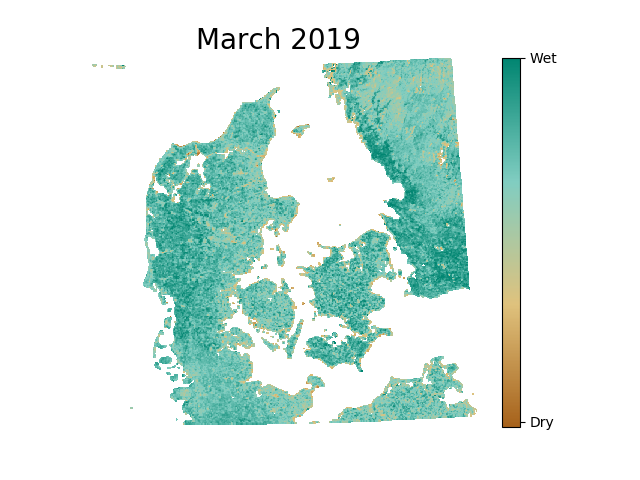
The images show the monthly average surface soil moisture for March and April this year and clearly illustrates the unusually wet and dry conditions compared to previous years.

DID YOU KNOW?

Soil moisture is a key variable to understand many environmental processes such as vegetation health, #drought and #flood risks and plays a large role in climate models.

Changes in soil moisture of the top few centimeters of soil, greatly influences the characteristics of the soil, which makes it possible to measure with radar instruments mounted on satellites.

DHI GRAS is working together with DHI on assimilating satellite based soil moisture observations into complex hydrological models.

Earth Observation Centre of Excellence part of the DHI GROUP

info@dhigroup.com
+45 4516 9200

Agern Alle 5,
2970 Hørsholm,
Denmark

CVR: 36466871

Urban Heat Islands Mapped for Rødovre Municipality

Urban Heat Islands mapped for Rødovre municipality:

20 May 2019

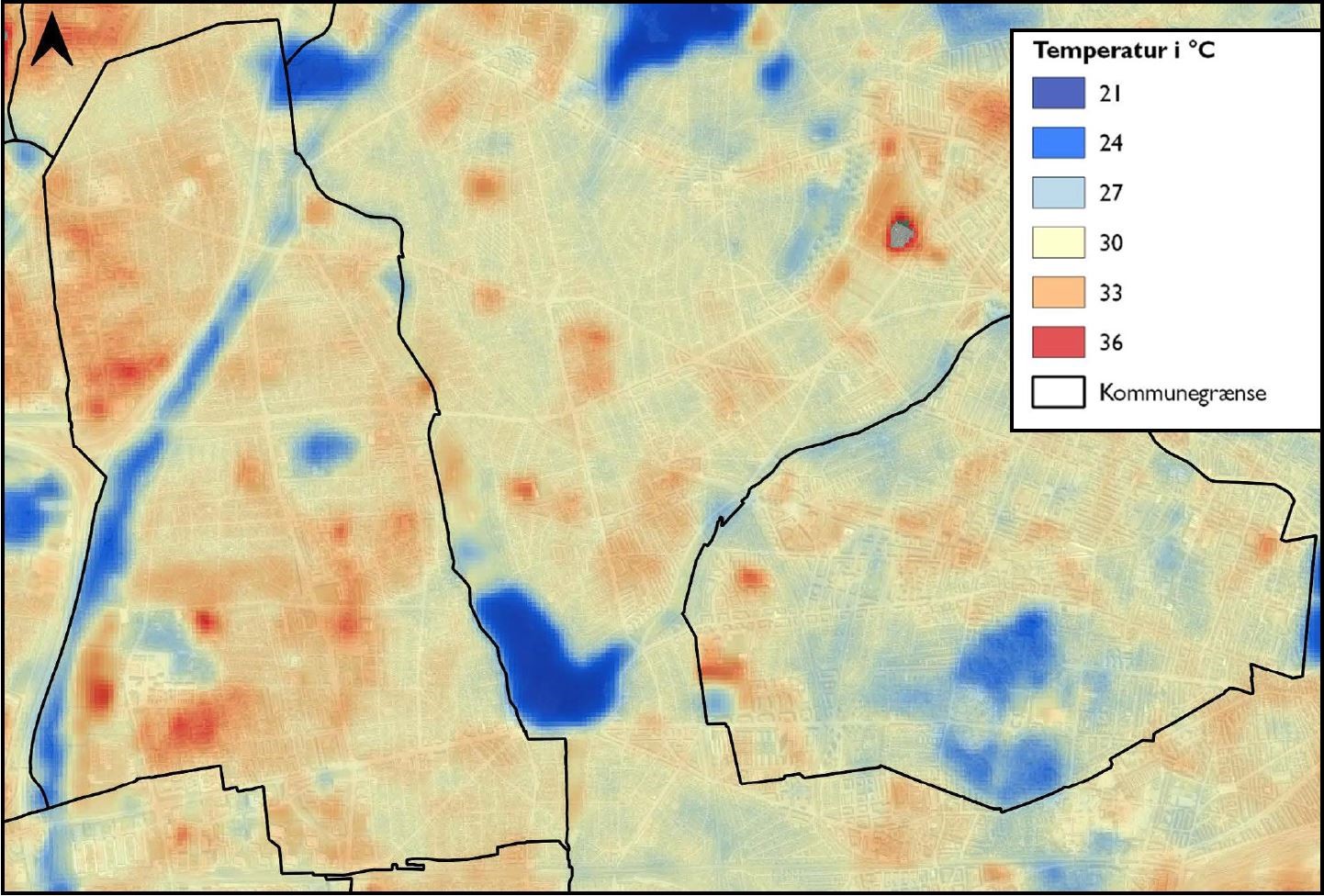
Our Urban Heat Island data can be found in the Sustainability Report 2019 from Rødovre municipality. The yearly report is part of the municipality’s Agenda 21 strategy, where they use sustainability as the basis for the development of Rødovre.

We provided a land surface temperature map, that illustrates the large variance in temperatures across the municipality depending on the urban land use. The map shows a 15 degree difference between some areas, which is dependent on the presence of vegetation and water bodies, due to their “cool down”-effect in contrast to the heating effect from the built-up areas.

We have previously done similar work for the municipality of Copenhagen, where we found a 12 degree difference between areas in the city throughout a very warm and dry summer.

UHIs are a concern in many cities, and known to have significant impacts on the lives of the residents in urban areas as well as the urban environment.

Interested in using satellite data to map Urban Heat Islands for your municipality? Contact us at gras@dhigroup.com

Earth Observation Centre of Excellence part of the DHI GROUP

info@dhigroup.com
+45 4516 9200

Agern Alle 5,
2970 Hørsholm,
Denmark

CVR: 36466871