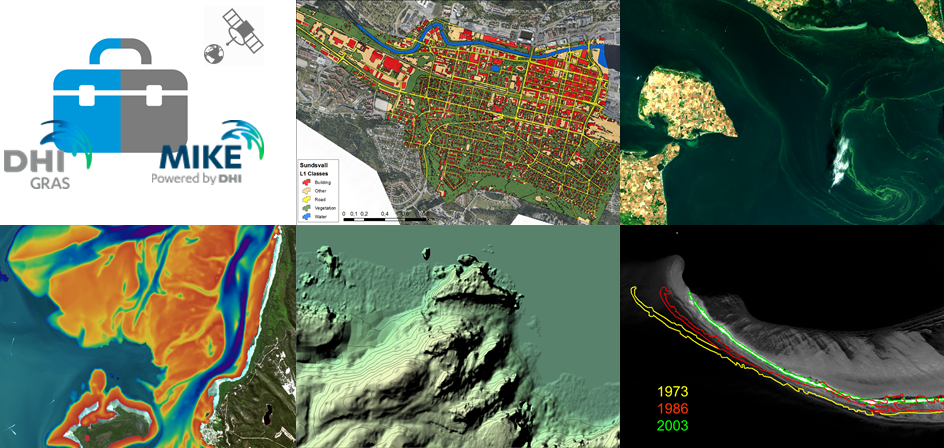
Accurate bathymetry improves your modelling results:
07 November 2018
Last week Rasmus Borgstrøm presented the topic of how new opportunities with satellite data can improve the usage of MIKE models.
During discussions and presentations throughout the annual MIKE User Group Meeting in Denmark, it became apparent that the hydrological model community has a need for more and better data. Satellites certainly provide an effective mean to fulfill that need and it was therefore demonstrated how new Satellite-Derived Bathymetry data significantly improves modelling results.
Contact us at gras@dhigroup.com if you want to know more about how satellite data can enrich your MIKE models.
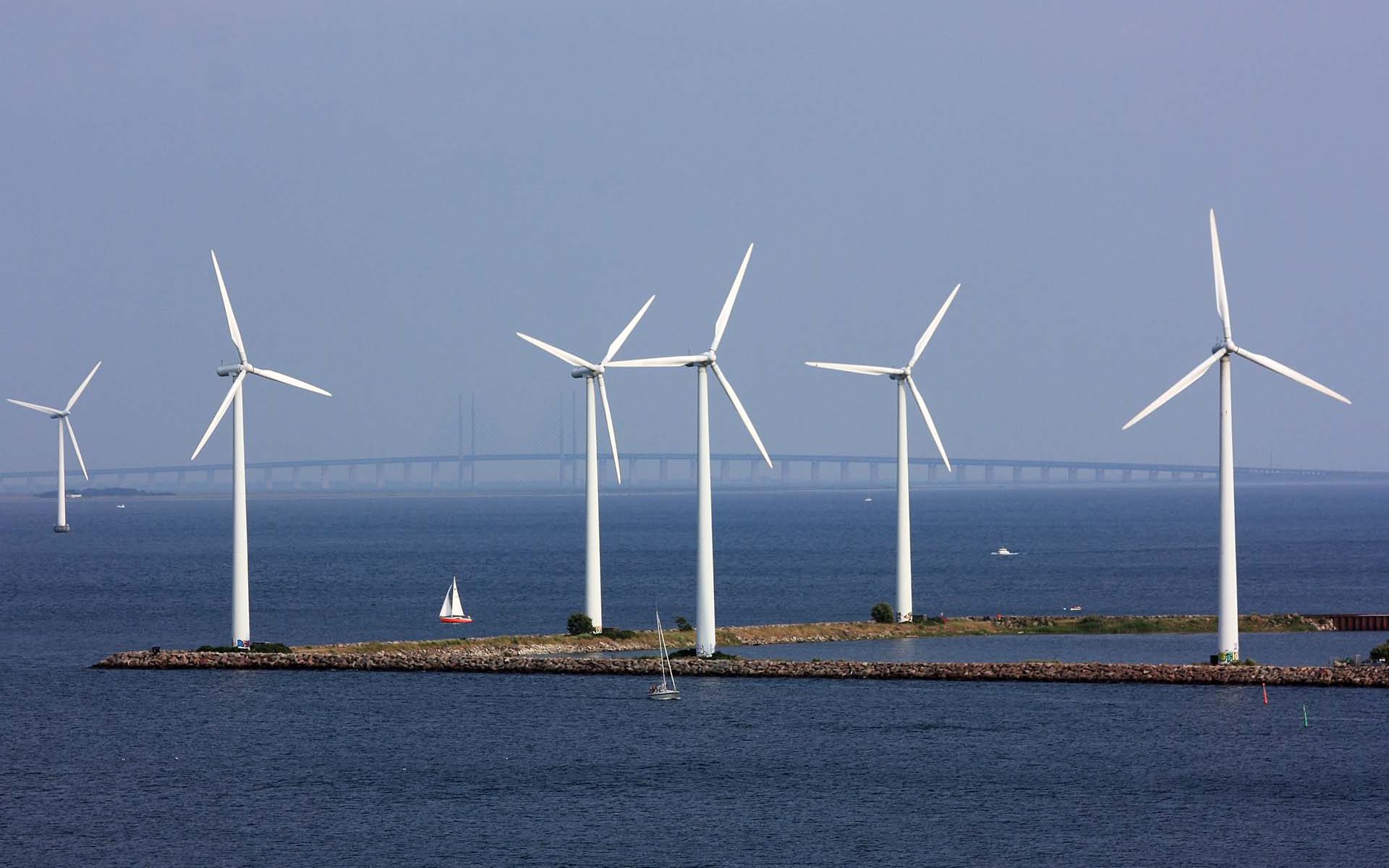
Fulfilling the needs of wind energy industries for improved land-based wind farm planning . . . .
InnoWind - wind energy efficiency
Fulfilling the needs of wind energy industries for improved land-based wind farm planning
Why is it important?
The improved services provided by Danish companies will decrease the cost of wind energy development by significantly increasing the precision of wind resources assessments and lowering uncertainty in the planning phase.
Project highlights:
Develop novel algorithms to derive aerodynamic surface properties from Copernicus data and test against ground truth at wind energy sites
Integrate satellite-based map layers seamlessly in flow models operated by industrial end-users
Document the scientific and financial impact of new satellite-based map layers for wind resource assessment
In more detail..
The InnoWind project has been funded by the Innovation Fund Denmark and is being conducted by DHI GRAS together with DTU Wind Energy and DTU Space, as well as wind industry leaders Vestas, EMD International and Vattenfall. The project is expected to run from 2017 to 2020.
InnoWind gives Danish companies a competitive edge in a rapidly growing market of wind resource assessment by equipping them with more accurate tools than competitors.
The improved services provided by Danish companies will decrease the cost of wind energy development by significantly increasing the precision of wind resources assessments and lowering uncertainty in the planning phase.
This will benefit energy systems planning and have a positive effect on financing of wind farms. Additionally, public entities establishing wind atlases will benefit from high quality model inputs; this is particularly relevant for emerging wind energy markets where such atlases are currently absent.
InnoWind will provide added value to end-users by delivering:
New methods for direct satellite-based parameterization of the surface drag force
Novel satellite-based map layers prepared for integration with flow models at the meso- and microscale – e.g. forest height and land cover
Adaptation of flow models to utilize new satellite-based input maps
Documentation of the scientific and financial impact of the project developments
Commercial exploitation of satellite-based products and services
The overall aim of Innovation Fund Denmark is to support the development of knowledge and technology, including advanced technology, in order to strengthen research and innovative solutions that may benefit growth and employment in Denmark.
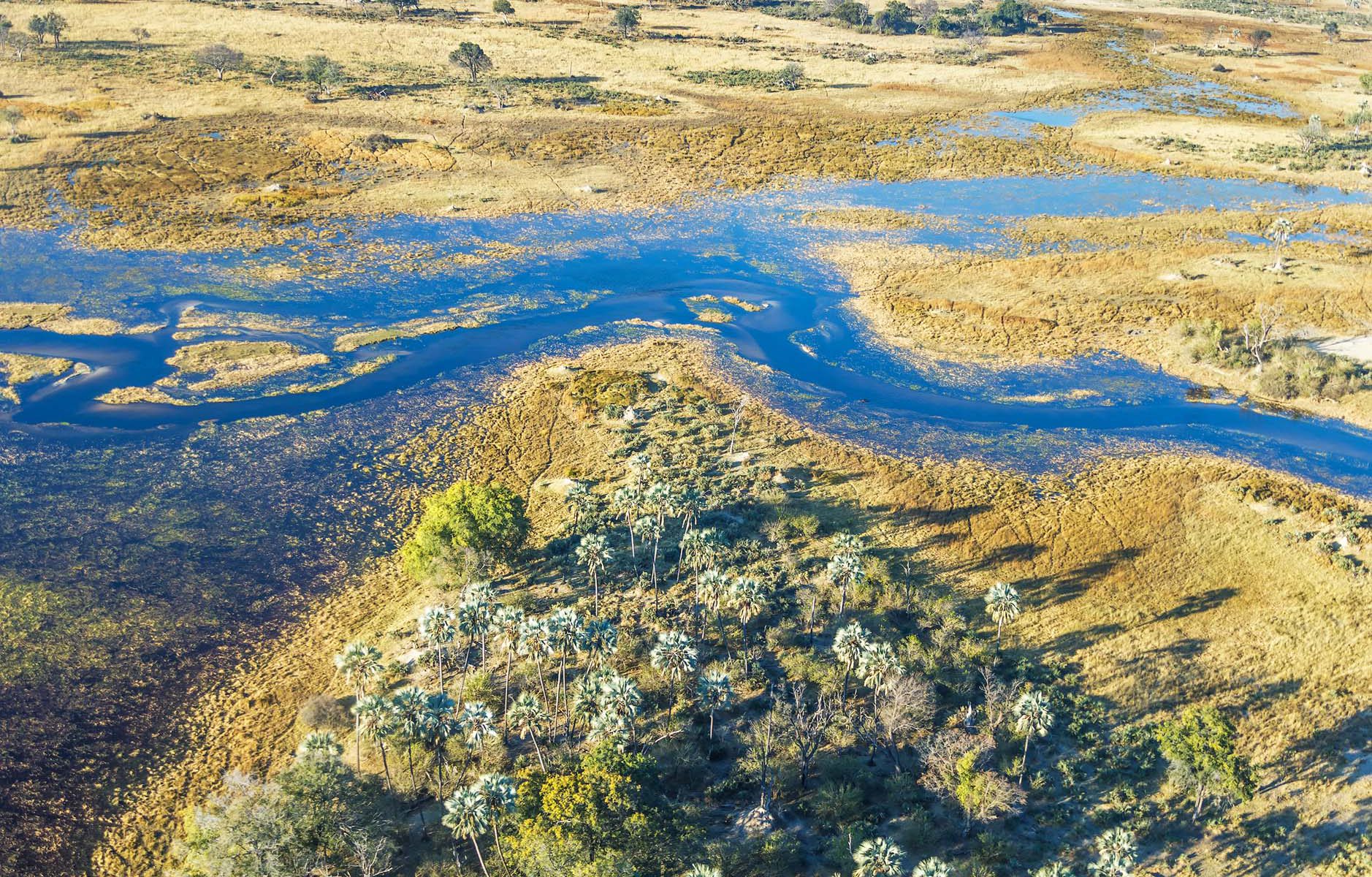
Helping African authorities make the best use of satellite-based information for wetland monitoring . . . . .
GlobWetland Africa
Implementing sustainable Earth Observation based wetland monitoring capacity in Africa
Why is it important?
GlobWetland Africa will help African authorities make the best use of satellite-based information on wetland extent and conditions. Allowing better measurements of the ecological state of wetlands and their capacity to support biodiversity and provide ecosystem services.
Project highlights:
Exploiting the increasing capabilities of satellite observations for wetlands inventory, assessment and monitoring
Developing a free of charge and open source software toolbox to better assess the state and change in wetlands and access “freely available” satellite observations from the Sentinel missions of the European Copernicus initiative
Enhancing the capacity of African stakeholders to develop national and regional wetland observatories
In more detail..
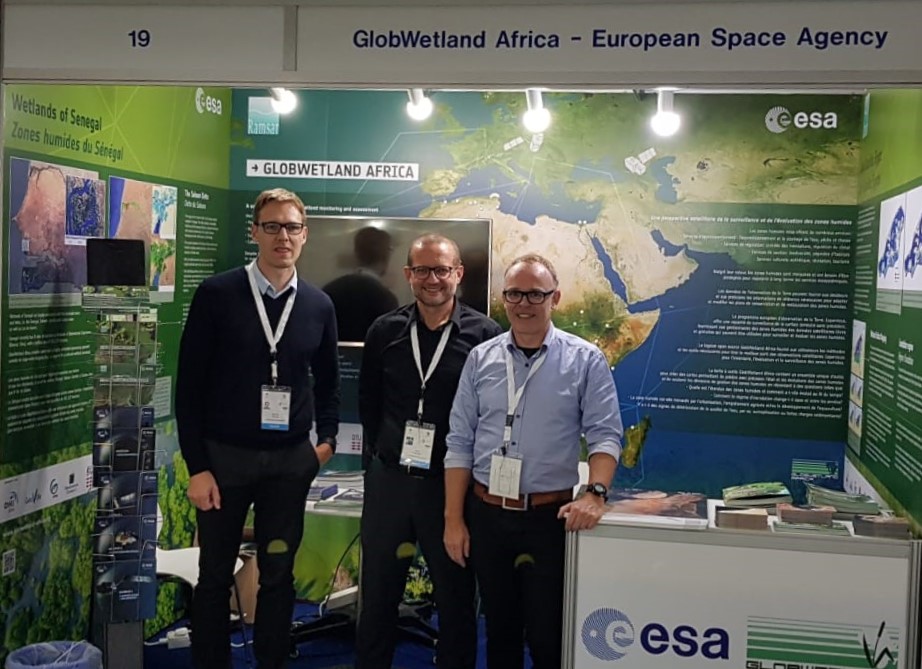
GlobWetland Africa (GW-A) is a large Earth Observation application project funded by the European Space Agency (ESA) in partnership with the African Team of the Ramsar Convention on Wetlands.
The project is initiated to facilitate the exploitation of satellite observations for the conservation, wise-use and effective management of wetlands in Africa and to provide African stakeholders with the necessary Earth Observation (EO) methods and tools to better fullfil their commitments and obligations towards the Ramsar Convention on Wetlands.
As an ultimate objective GW-A will aim to enhance the capacity of the African stakeholders to develop their own national and regional wetland observatories.
The European Space Agency (ESA) is the European space programme and its mission is to explore Earth, its immediate space environment, our Solar System and the Universe.
ESA also works closely with space organisations outside Europe to develop satellite-based technologies and services, and to promote European industries.
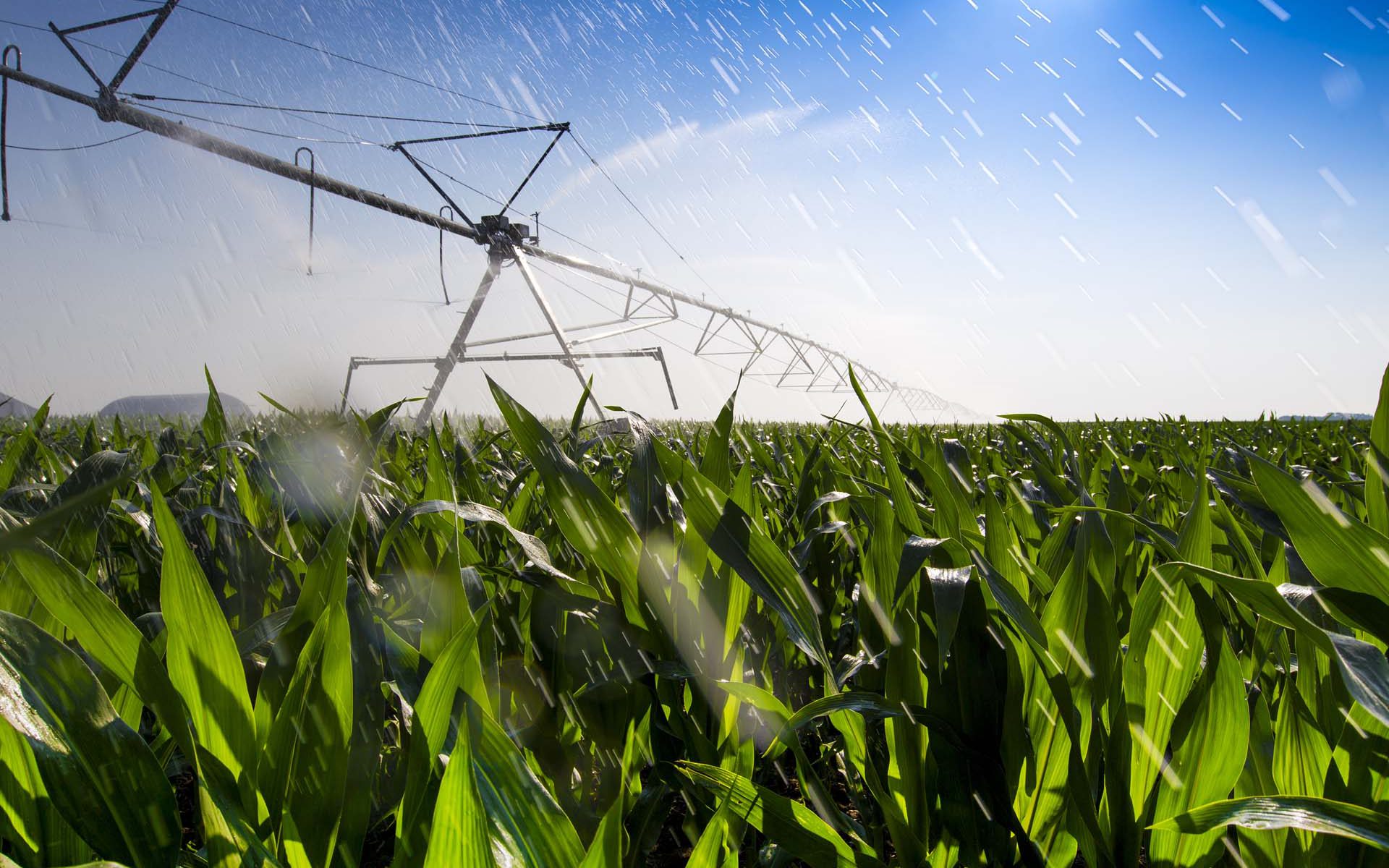
SEN-ET is the Estimation of evapotranspiration based on the Sentinel satellites. By providing insight in ET, it improves irrigation efficiency
SEN-ET
Estimation of evapotranspiration based on Sentinel 2 and 3 satellites for improved irrigation management.
Why is it important?
A growing population and economy together with climate change are putting pressure on fresh water availability around the globe.
SEN-ET is the Estimation of evapotranspiration (ET) based on the Sentinel satellites. By providing insights in ET we can improve irrigation efficiency. Thus assisting in monitoring several of the UN Sustainable Development Goals (SDGs), in particular: SDG2 – zero hunger, and SDG6 – clean water and sanitation.
Project highlights:
Developing an optimal methodology for estimating ET at both fine (tens of meters) and coarse (kilometer) spatial scales, based on synergistic use of Sentinel 2 and Sentinel 3 satellites’ observations
Robustly validating the estimated ET in numerous land use classes and climatic conditions, with special focus on agricultural areas
Implementing the method as an open source application, with free and open access to the code and application, integrated into existing software tools
In more detail..
SEN-ET (SENtinel EvapoTranspiration) is an Earth Observation application project funded by the European Space Agency (ESA).
The main objective of SEN-ET is to develop an open source implementation method for estimation of evapotranspiration, both at fine (tens of meters) and coarse (kilometre) spatial scales, based on the synergistic use of Sentinel 2 and 3 satellites.
The project focuses on agricultural applications of ET but also involves
evaluating the model output in other land-covers (e.g. forest).
The project consists of three phases:
1. Reviewing of existing methodologies for estimation of ET and for bridging the spatial gap between S2 and S3 observations.
2. Prototyping and benchmarking the most promising approaches and evaluating the outputs in a number of ecosystems.
3. Fully implementing the best performing approach as an open-source software application.
A number of key users are expected to benefit from the developed ET modelling application. Among them are:
Agriculturalists and organisations serving the needs of agriculturalists
Scientists and research organisations working in the fields of agriculture, hydrology and remote sensing
Data providers
Regional, national and international governmental and non-governmental organisations and initiatives
The European Space Agency (ESA) is the European space programme and its mission is to explore Earth, its immediate space environment, our Solar System and the Universe.
ESA also works closely with space organisations outside Europe to develop satellite-based technologies and services, and to promote European industries.
The Ramsar COP13 is well underway in Dubai, taking place from the 21st to 29th of October.
Here, the DHI GRAS led activity GlobWetland Africa is making several contributions to the event including presentations at three side events all focusing on how Earth Observation can support wetland monitoring.
The first presentation on “toolboxes” was presented at the side event on “The use of Earth Observation for wetland inventory, assessment and monitoring: An information source for the Ramsar Convention” organized by the STRP to summarize the findings in their latest technical report:
The second presentation contributed to the RAMCEA side event on “Earth Observation Support for Monitoring and Reporting on Wetlands” and summarized our country demonstration for Uganda on wetland inventorying and reporting for SDG 6.6.1.
Finally, the GlobWetland Africa project is taking part in “EO - a game changer for Ramsar Contracting Parties”; a side event jointly organized by ESA and JAXA to present innovative and cost-effective solutions for Ramsar contracting parties.
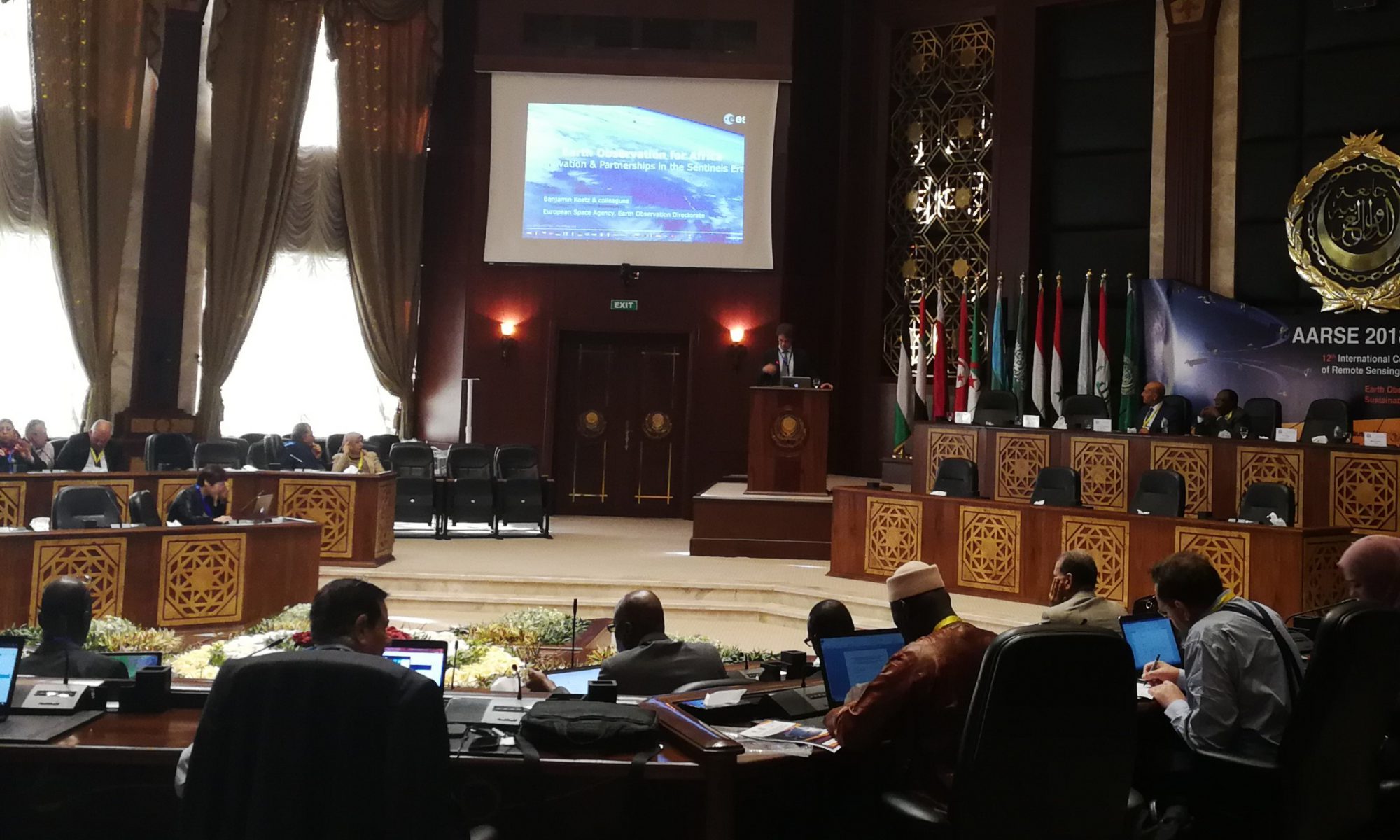
The 12th International Conference of the African Association of Remote Sensing of the Environment is taking place in Egypt this year.
The theme of the conference is Earth Observations (EO) and Geospatial Science in Service of Sustainable Development Goals and will run from the 25th to the 29th of October.
At DHI GRAS, we are heavily involved in this field, which we will demonstrate during a technical session on Space and Geospatial Science for Sustainable Development Goals based on the GPSDD project and our ESA-projects (GlobWetland Africa, EO4SD and EO for SDG).
The technical session will show how EO is supporting development projects in Africa in order to help countries better measure and manage their water resources.
Through practical examples, we demonstrate how the new generation of Sentinel satellites is used for large area monitoring of surface water resources (including wetlands), and agricultural land use.
To read more about each project please visit:
EO for SDG: no website available, so please contact us at gras@dhigroup.com, if you are interested in knowing more.
Assisting indigenous people in Latin America with monitoring changes in forest areas based on open source software
Assisting indigenous people with forest monitoring
Latin America, Forests of the World
How we helped:
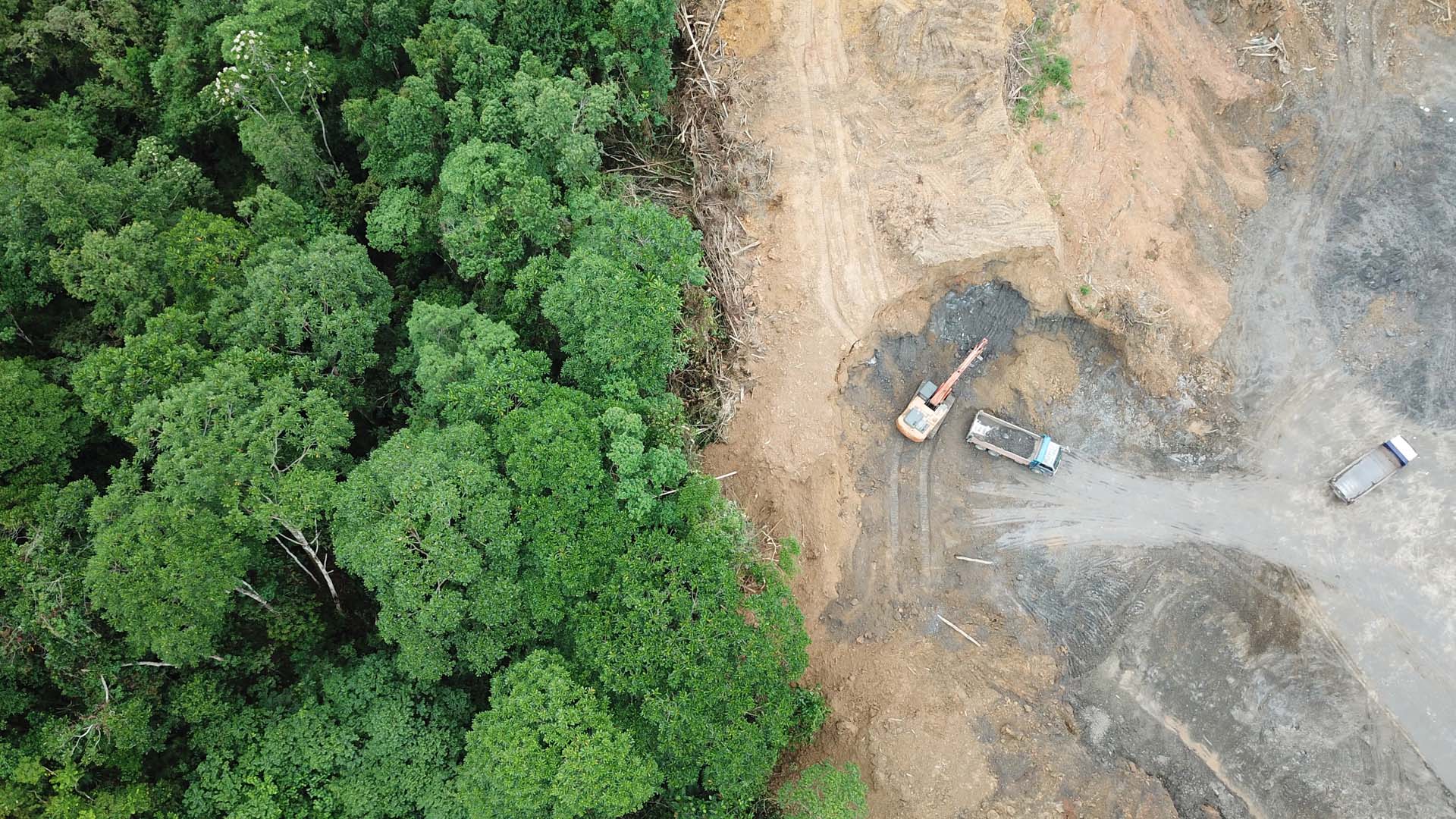
The amazon is described as the lungs of our earth. Forest monitoring plays an essential role in checking its health. We developed a low-cost monitoring system for efficiently monitoring forest areas in Latin America, based on open source software and free data sources.
Project highlights:
Capacity building within the use of satellite imagery for effective, systematic and routinely monitoring of deforestation within indigenous’ territories in Latin America
Providing a low cost monitoring system based on open source GIS software and freely available optical and radar satellite images
Provision of on-site tailormade technical workshops focusing on effective coupling local field surveys with satellite remote sensing
Our cooperation with DHI GRAS on the development of low-cost monitoring systems, based on the application of open source GIS software and freely available optical and radar satellite images has exceeded our expectations.
DHI GRAS has with great skill and user-friendliness delivered a hands-on approach to using freely available data and technology to carry out participatory forest monitoring in large tropical forest areas. The combination of desk analyses and field verification creates a powerful and efficient tool, which has been an invaluable input to our own organisation as well as our partners in Latin America.
In more detail..
We successfully co-lead two technical workshops, hosted by the NGO Forests of the World (Verdens Skove), that introduced satellite-based monitoring of forest cover changes in indigenous territory in Bolivia and Panama.
The workshop participants were trained in the following topics:
Fundamental concepts and properties of Earth Observation satellites for forest cover monitoring
Working with satellite image, GIS and GPS data in QGIS
Accessing and preprocessing of optical and SAR satellite imagery
Mapping of changes related to deforestation based on earth observation
Collecting field observation and linking this to the satellite image analysis in QGIS.
Forests of the World:
Forests of the World (Verdens Skove) is an environmental NGO founded in Denmark in 1983 with the objective to conserve and manage the world’s forests in a sustainable way.
They create opportunities for communities and people, who aspire to save the forests of the world and aim to demonstrate and prove the value of the living forest through campaigns, consumer information, training, cooperation, and concrete work in and around the rainforest.
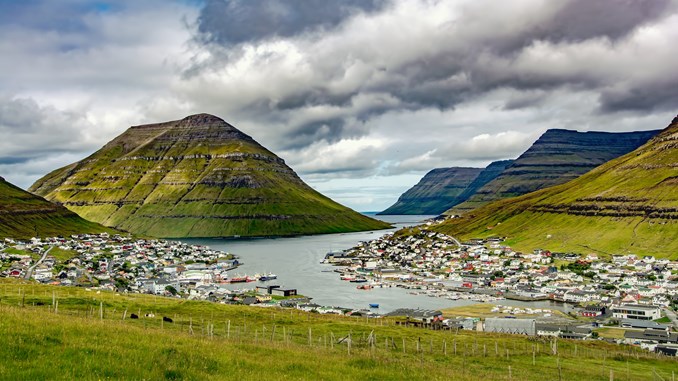
Satellite imagery proves itself as a strong alternative to aerial photos for the remotely located Faroe Islands.
DHI GRAS has contributed to a new topographic map of the Faroe Islands, published by Styrelsen for Dataforsyning og Effektivisering (Danish Agency for Data Supply and Efficiency) and the local Faroese authorities.
Based on our in-depth knowledge and experience with satellite imagery, we have provided updated and cost-efficient satellite imagery data fitting the needs of the new topographic maps covering Faroe Islands.
In Denmark, data collection typically takes place on the basis of aerial images. However, in the Faroe Islands, the weather is very changeable and it can be difficult and costly to get a complete coverage of the Faroe Islands with new images during a single summer. With satellites it is possible to get detailed imagery whenever there are gaps in the clouds, and without having to mobilize aircrafts and personnel to the remote location of Faroe Islands.
The new topographic map is in scale 1:20,000 and can be accessed via Kortforsyningen.dk.
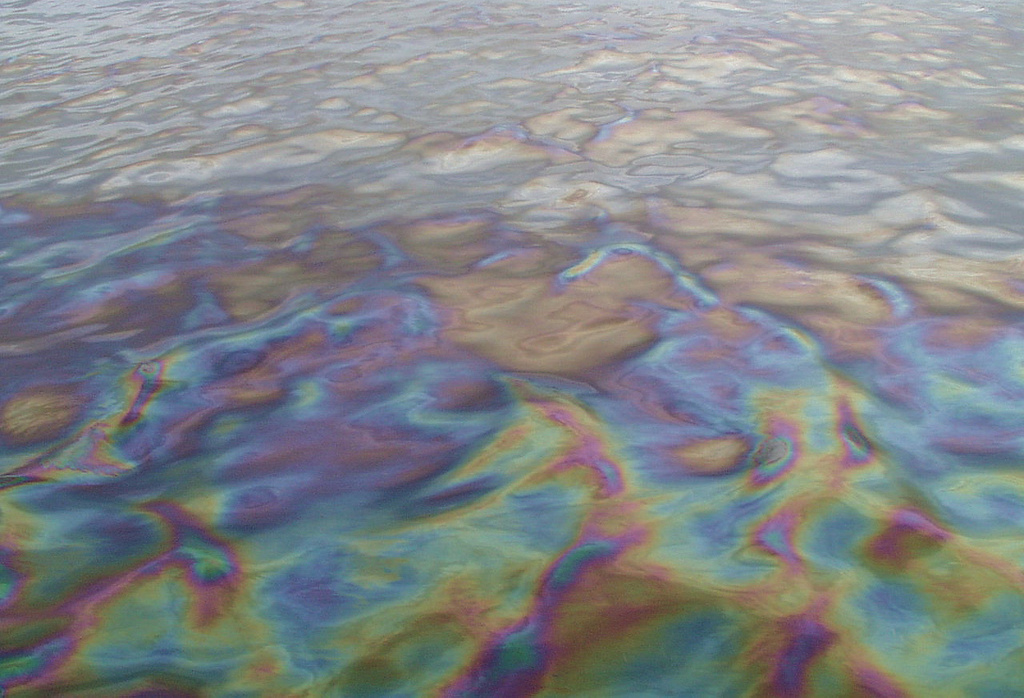
Two ships collided off the coast of Corsica in the Mediterranean Sea on the 7th of October, leaving a 46 km long oil trail.
The oil spill was detected by the Sentinel 1 satellite which carries a synthetic-aperture radar (SAR) instrument. We have monitored the oil spill as it progressed in the following days after the ship collision, and using advanced image analytics we are able to map the actual surface covered with the spill. This type of image analysis serves as valuable validation data for oil spill modelling, as it gives clear evidence of where the oil was located at a specific time. The oil spill models can tell responders where the oil is most likely to travel and if it is threatening vulnerable natural resources.
Contact us at gras@dhigroup.com if you want access to the imagery in full resolution or if you are interested in hearing more about oil spill detection from space.
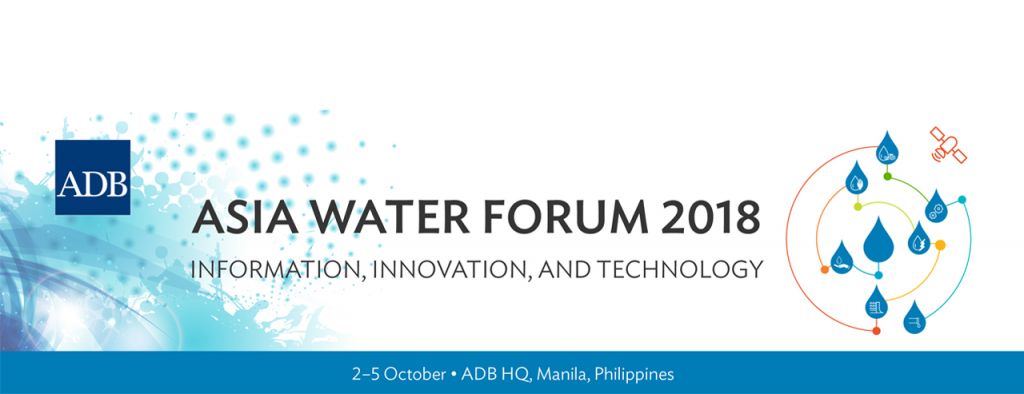
DHI GRAS attended the Asia Water Forum 2018
in Manila to discuss ways to identify and adopt innovations that best address the requirements for a water-secure Asia and the Pacific by demonstrating how Earth Observation can support water resources management, agriculture, and international development assistance including the monitoring and reporting requirements of the Sustainable Development Goals.