Global evapotranspiration product

Why is it important?

Evapotranspiration describes the transfer of water from land to atmosphere through evaporation and plant transpiration and is a key component of the global water, energy, and carbon cycles. It provides direct insight into plant water use, drought conditions, and ecosystem productivity, making it essential for agriculture, water‑resources management, and climate monitoring. Until recently, evapotranspiration information was either available only locally through field measurements or inconsistently across regions. Satellite Earth observation makes it possible to monitor evapotranspiration globally, repeatedly, and in a consistent way, providing a common information basis for decision‑making across borders and sectors.

Project highlights:

The product delivers evapotranspiration information at global scale using satellite Earth observation, providing consistent coverage across continents and climatic zones that cannot be achieved through ground‑based measurements alone.
Regular satellite observations make it possible to track evapotranspiration over time, supporting monitoring of seasonal dynamics, long‑term trends, drought development, and changes in land and water use.
The resulting evapotranspiration products are designed for operational use and made openly available through the Copernicus programme, enabling applications in agriculture, hydrology, climate analysis, and ecosystem assessment.

In more detail..

The global evapotranspiration product was developed to operationalise how satellite Earth observation can be used to monitor land–atmosphere water exchanges in a consistent and scalable way. The work forms part of the scientific and technical foundation for the Copernicus Land Monitoring Service evapotranspiration products, which provide global, regularly updated information on actual evapotranspiration.

Using satellite observations combined with physically based modelling, the product allows evapotranspiration to be estimated across diverse environments, from agricultural areas to natural ecosystems. Satellite data ensure consistent spatial coverage and long‑term continuity, while modelling ensures that the estimates are physically meaningful and comparable across regions.

The resulting information supports a wide range of applications, including drought monitoring, assessment of water availability, evaluation of irrigation efficiency, and analysis of ecosystem response to climate variability. By moving from research‑oriented development to an operational global product, the project demonstrates how Earth observation can provide trusted, decision‑ready information on a key variable in the global water cycle.

Click the link below to access the product through the Copernicus Land Monitoring Service.
Joint Research Centre

The product has been developed through a collaborative effort involving experts from DHI, the Spanish National Research Council (CSIC), the Royal Meteorological Institute of Belgium (RMI), VITO Remote Sensing, and HYGEOS. The work was funded by the European Commission under a contract with the Joint Research Centre (JRC) and forms part of the development of operational Earth‑observation products within the Copernicus programme.

Earth Observation Centre of Excellence part of the DHI GROUP

info@dhigroup.com
+45 4516 9200

Agern Alle 5,
2970 Hørsholm,
Denmark

CVR: 36466871

MCSAV – Satellite‑based mapping and monitoring of coastal ecosystems at scale (Malaysia)

Why is it important?

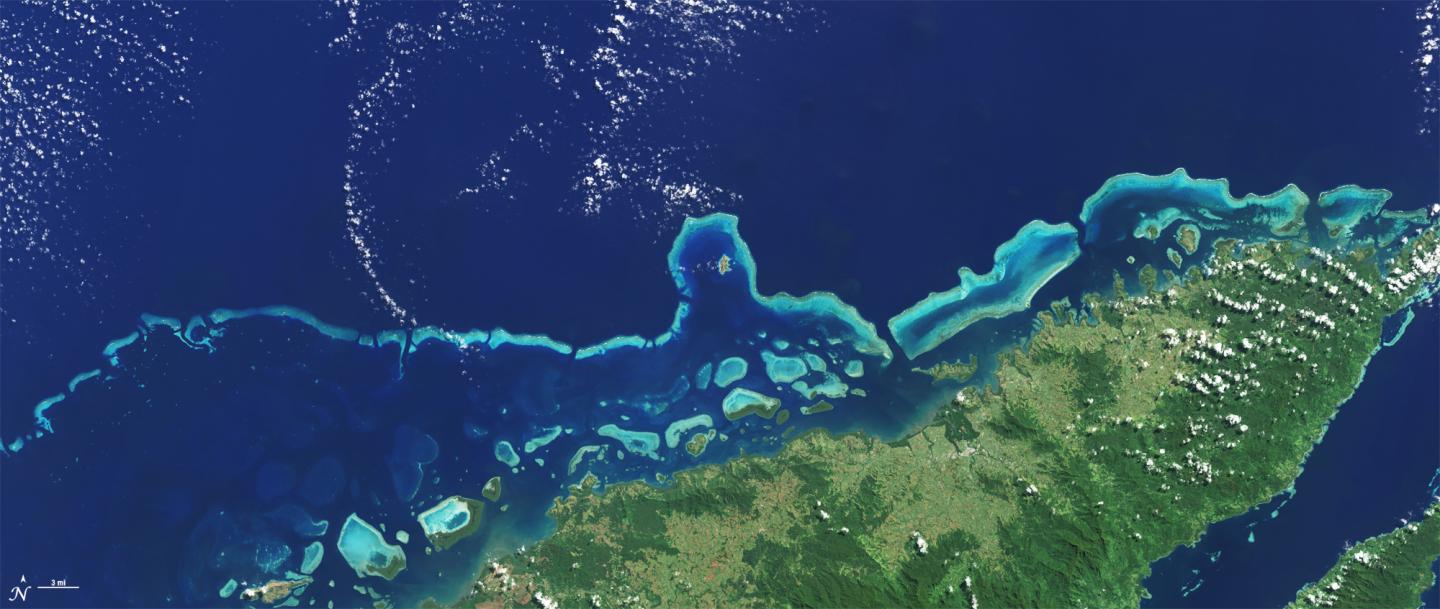
Reliable information on the distribution and condition of coastal and marine ecosystems is essential for sustainable management of marine resources. Habitats such as mangroves, coral reefs, and submerged aquatic vegetation play a critical role in biodiversity, fisheries, and coastal protection, yet they are often difficult to monitor consistently using traditional field‑based surveys alone. In tropical coastal regions, monitoring is further challenged by large geographic extents, limited access, and high costs, which can result in fragmented or outdated information. Satellite Earth observation offers a way to overcome these limitations by providing regular, large‑area coverage that can be repeated over time. Mangroves, Corals, Submerged Aquatic Vegetation (MCSAV) addresses this gap by using satellite data to support cost‑effective, scalable, and repeatable monitoring of coastal ecosystems. By making satellite‑derived information accessible through a web‑based platform, the project supports evidence‑based marine management, helps inform area‑based protection and planning, and contributes to more sustainable use of coastal and marine resources.

Project highlights:

MCSAV delivers regular, large‑area coastal habitat maps using Copernicus Sentinel‑2 imagery, enabling consistent mapping of mangroves, coral/rubble, sand, and submerged aquatic vegetation across extensive tropical coastal zones that cannot be effectively covered by field surveys alone.
A pre‑trained deep‑learning model forms the backbone of the system, enabling automated habitat classification. A built‑in “human‑in‑the‑loop” workflow allows local experts and communities to refine results using field observations, improving accuracy while retaining ease of use for non‑specialist users.
The cloud‑based platform provides an interactive environment where users can generate, visualise, validate, and export habitat maps in standard GIS formats. This supports monitoring of change over time and practical application in conservation planning, MPA management, and sustainable use of coastal resources.

In more detail..

Mangroves, Corals, Submerged Aquatic Vegetation (MCSAV) aims to make large‑scale coastal and marine ecosystem monitoring possible using satellite Earth observation. Important marine habitats such as mangroves, coral reefs, and submerged aquatic vegetation are often difficult to survey consistently using field‑based methods alone, especially in regions where access is limited and monitoring resources are constrained.

The project uses data from the Copernicus Sentinel‑2 satellites, which provide frequent, freely available imagery suitable for mapping shallow coastal environments across large areas. Satellite images are analysed using automated image analysis and machine‑learning techniques, making it possible to generate repeatable habitat maps and to monitor changes over time.

MCSAV was developed by DHI together with partners and collaborators, including Reef Check Malaysia and Stop Fish Bombing Malaysia, as part of the 3rd Call of the UNDP Ocean Innovation Challenge.

The project combines technical Earth‑observation expertise with local knowledge to ensure that the resulting information is both scientifically robust and relevant for practical use.

A key feature of MCSAV is its delivery through a web‑based platform designed for a broad range of users, including authorities, planners, NGOs, and local stakeholders. The platform allows users to explore habitat maps, visualise changes over time, and use the results as input to marine management, conservation planning, and area‑based protection initiatives.< Overall, MCSAV demonstrates how satellite data can be transformed into accessible, decision‑ready information, supporting more effective marine ecosystem management and contributing to sustainable use of coastal and marine resources in line with broader blue‑economy and conservation objectives.

UNDP Ocean Innovation Challenge

DHI was selected as one of four innovators in the third Ocean Innovation Challenge (OIC) of the United Nations Development Programme (UNDP) to receive financial and incubator support.

Earth Observation Centre of Excellence part of the DHI GROUP

info@dhigroup.com
+45 4516 9200

Agern Alle 5,
2970 Hørsholm,
Denmark

CVR: 36466871

Integrated Marine Monitoring Denmark – areal distribution of submerged aquatic vegetation

Why is it important?

Danish marine environmental monitoring has traditionally relied heavily on ship based data collection, which is costly and provides limited temporal and spatial coverage. This makes it challenging to assess ecological status consistently and efficiently across Denmark’s marine waters, particularly in a policy context where reporting obligations require robust, repeatable, and spatially explicit assessments. On behalf of the Danish Agency for Green Transition and Aquatic Environment, DHI is establishing an integrated monitoring approach that combines modelling, Earth observation (EO) and survey data. This integrated marine monitoring (IMM) framework provides a stronger, more scalable foundation for national ecological status assessment, enabling continuous monitoring, improved spatial coverage, and support for reporting under European environmental directives. One aspect of IMM focuses on efficient, repeatable mapping of submerged aquatic vegetation (SAV) at scale.

Project highlights:

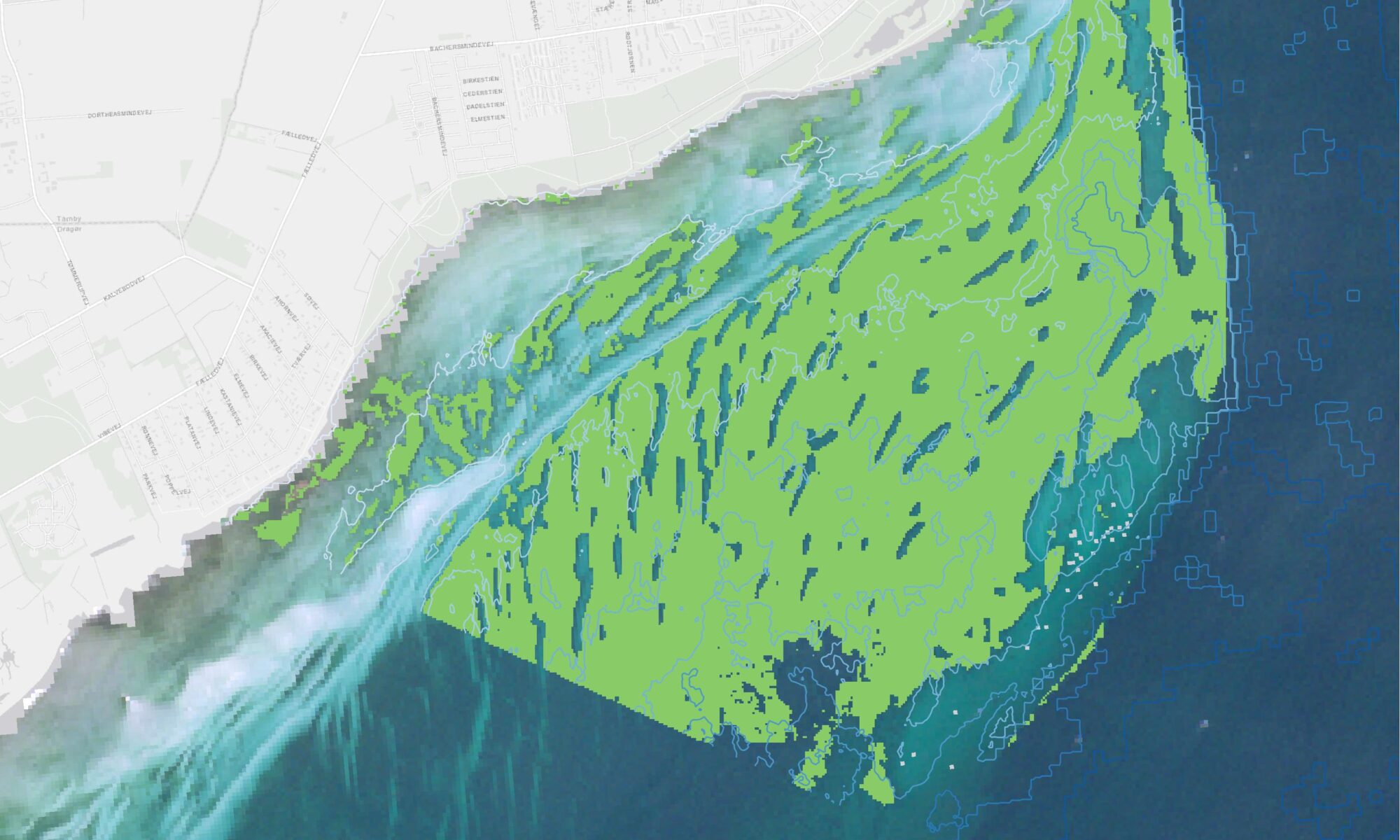
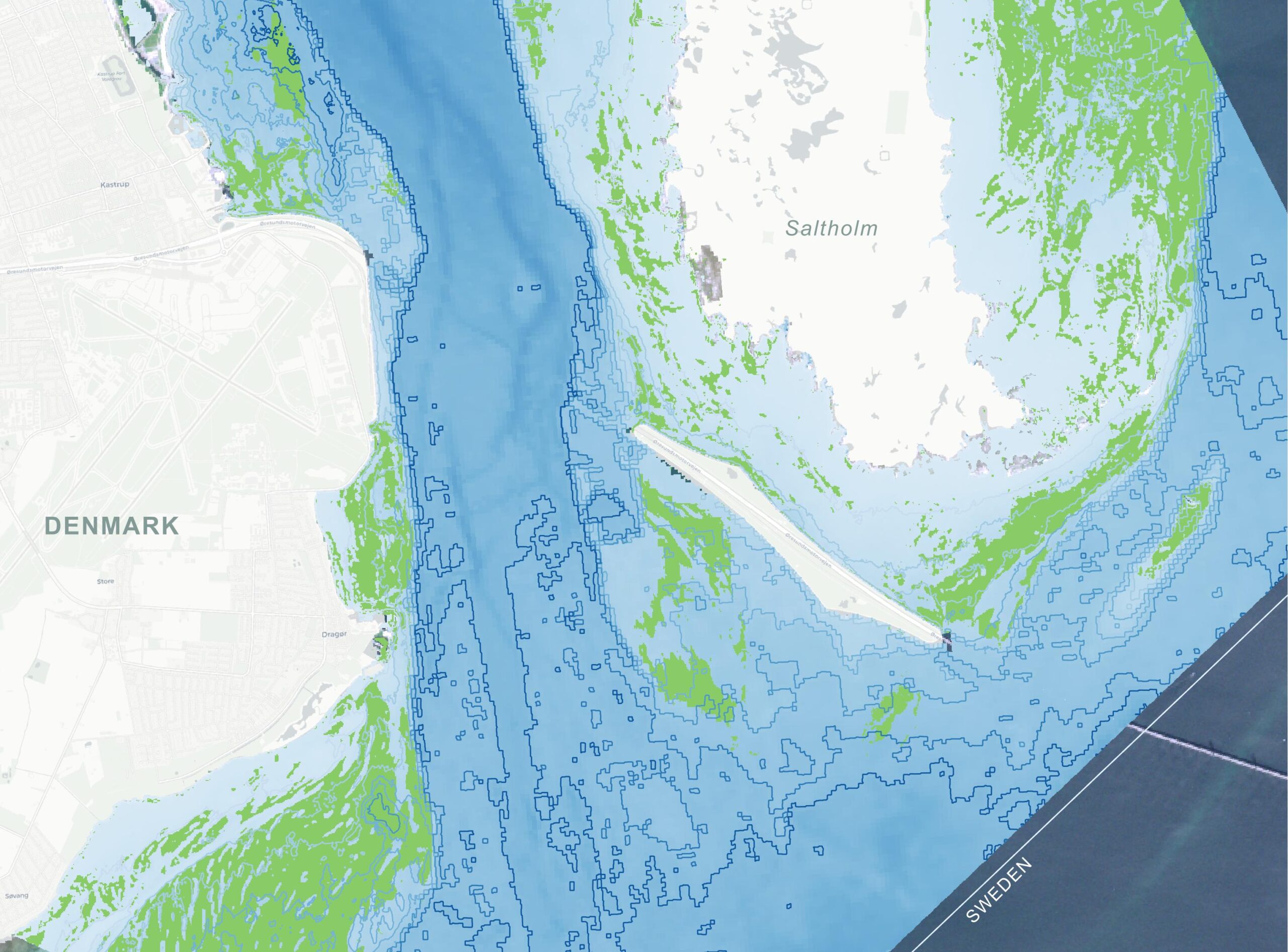
Use of free Copernicus Sentinel‑2 imagery to provide nationwide, high‑resolution (10 × 10 m) mapping of submerged vegetation, including seagrasses and other marine macrophytes. Frequent satellite revisits enable consistent coverage of all Danish coastal waters, overcoming the spatial and temporal limitations of traditional surveys.

The system applies deep‑learning‑based classification models within a largely automated processing chain, transforming satellite imagery into ready‑to‑use habitat maps. Automation reduces manual workload, increases objectivity, and enables regular updates needed for national‑scale monitoring and long‑term trend analysis.

EO‑derived marine vegetation maps from IMM Denmark are input to other environmental assessment frameworks, where they are combined with other sources of information and in the longer term support digital twins of the marine environment.

In more detail..

IMM SAV is developed as part of the broader national marine monitoring project led by DHI. The project delivers a repeatable, scalable method for mapping the spatial extent of submerged aquatic vegetation, including rooted plants such as eelgrass and macroalgae.

The system is built on Copernicus Sentinel‑2 imagery, offering 10 × 10 m spatial resolution, frequent revisit times, and a consistent historical archive dating back to 2016. This enables nationwide coverage and supports both retrospective analysis and continuous monitoring as new satellite data become available. For selected areas, the satellite‑based approach is complemented by aerial imagery, providing higher spatial detail where needed while acknowledging its more limited temporal availability.

Mapping is performed using machine‑learning and transfer‑learning techniques, with models trained specifically for local coastal conditions. A growing central training dataset allows model performance to improve over time, while a multi‑temporal analysis approach increases robustness by combining information from multiple observations instead of relying on single images.

Beyond mapping, the project supports the development of a new area‑based indicator for submerged aquatic vegetation, designed to complement existing depth‑based indicators and improve assessment in shallow coastal waters. The indicator framework is aligned with regulatory requirements and designed to respond to key environmental pressures, while remaining robust to variation in observation timing and data availability.

Strong emphasis is placed on quality assurance, validation, and documentation, ensuring that satellite‑derived vegetation products can be used operationally and integrated into routine monitoring, assessment, and reporting workflows. As such, SAV Denmark represents a mature application of Earth observation, moving beyond experimental mapping towards a stable, long‑term monitoring capability.

Danish Agency for Green Transition and Aquatic Environment

The project is funded by the Danish Agency for Green Transition and Aquatic Environment.

Earth Observation Centre of Excellence part of the DHI GROUP

info@dhigroup.com
+45 4516 9200

Agern Alle 5,
2970 Hørsholm,
Denmark

CVR: 36466871

LBST

Why is it important?

EU agricultural subsidy schemes involve substantial public funding and require transparent, consistent, and reliable monitoring of farming activities. Traditional field based inspections are costly, time consuming, and difficult to scale when monitoring hundreds of thousands of agricultural parcels nationwide. Satellite based monitoring enables a fundamental shift in how agricultural controls are conducted. By providing objective, harmonised, and frequently updated information on land use, land cover, and agricultural practices, authorities can improve efficiency, reduce administrative burden, and ensure fair and timely subsidy payments in line with EU CAP requirements.

Project highlights:

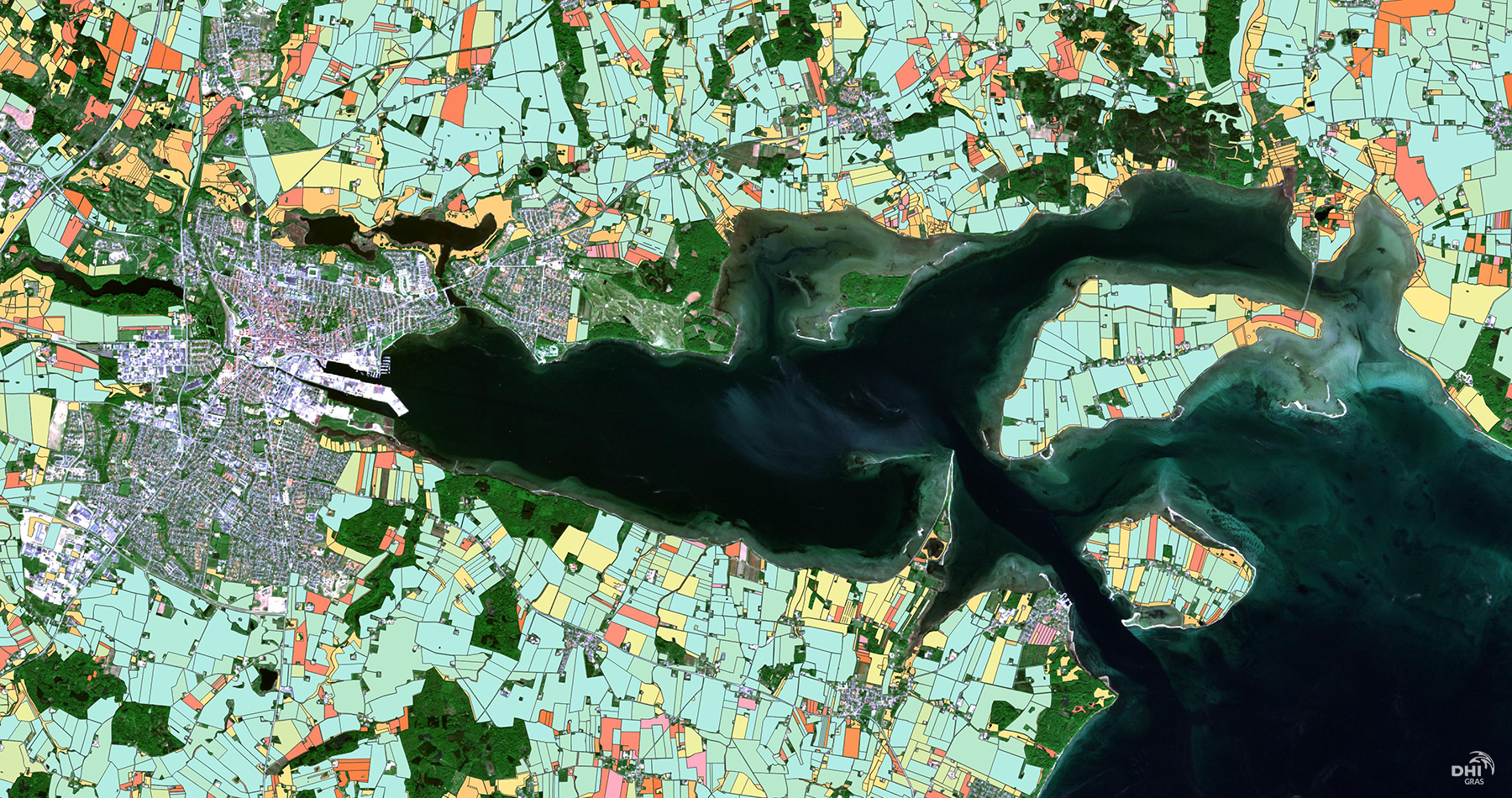
Continuous, wall‑to‑wall monitoring of all agricultural fields in Denmark using satellite imagery, enabling near‑real‑time observation of land use, land cover, and farming activities at national scale.

Advanced machine‑learning and image‑processing workflows translate Earth observation data into actionable indicators for EU Common Agricultural Policy (CAP) compliance, replacing manual inspections with objective, data‑driven evidence.

Direct integration of satellite‑derived insights into the Danish Agricultural Agency’s operational systems, supporting transparent and efficient administration of EU agricultural subsidies exceeding EUR 800 million annually.

In more detail..

Since 2016, DHI has worked in close collaboration with the Danish Agricultural Agency (DAA) to develop and operationalise a frontrunning satellite based monitoring solution for the EU Common Agricultural Policy.

This long term partnership has proven to be a recipe for success, positioning Denmark as a trendsetter in public digitalisation and enabling full national scale operational use since 2019.

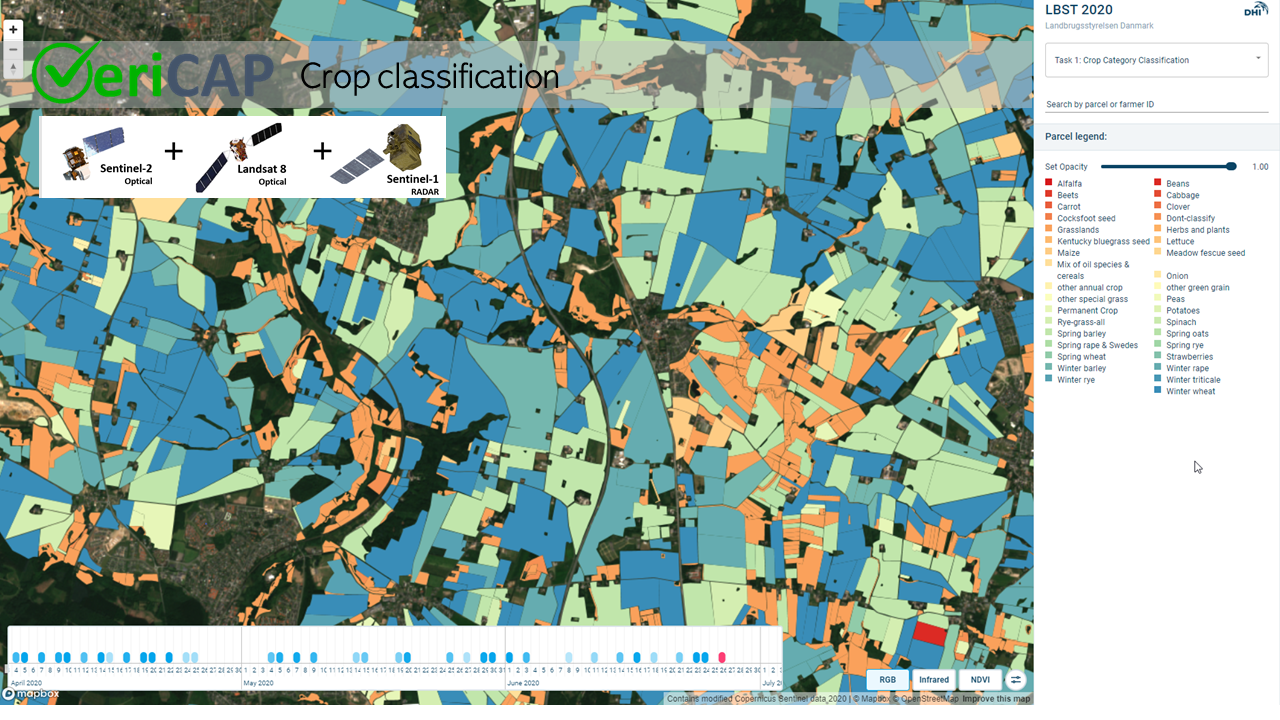
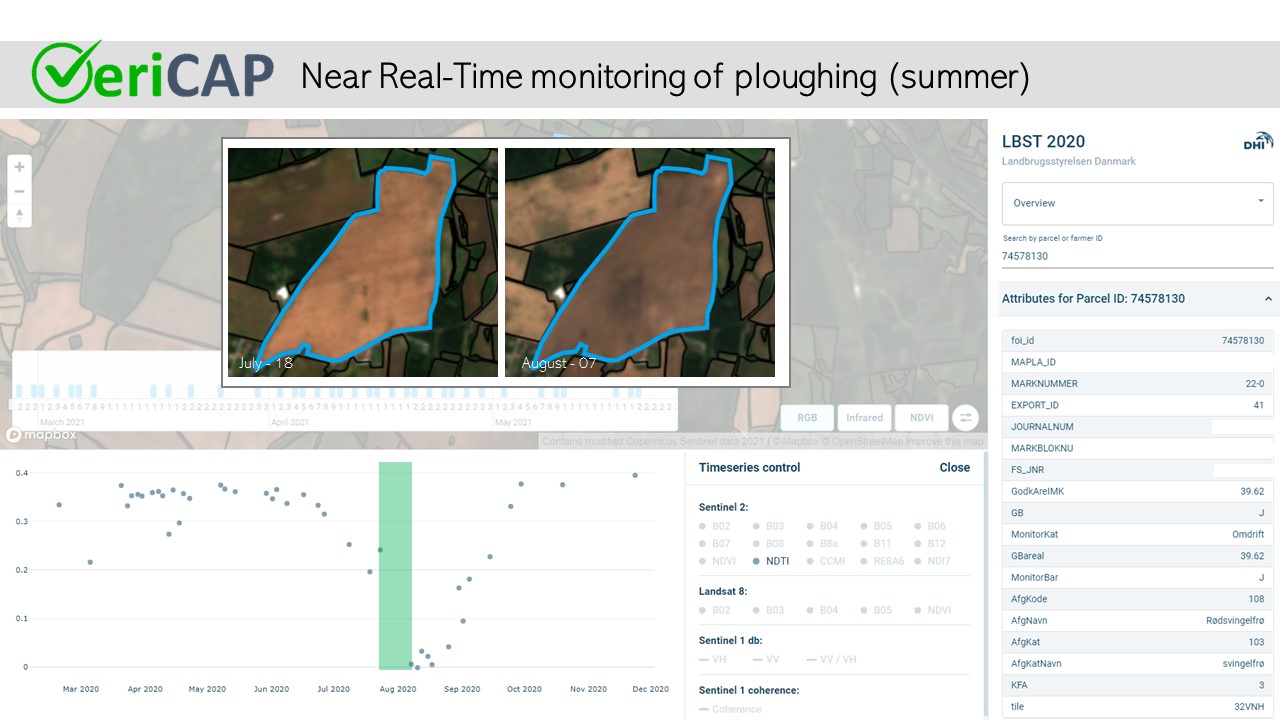
The CAP monitoring solution builds on DHI’s long standing expertise in satellite based agricultural monitoring. The technical backbone of the system is VeriCAP, which provides a streamlined, flexible, and accurate Check by Monitoring (CbM) and Area Monitoring System (AMS) solution. VeriCAP enables continuous monitoring of crop types and farm management practices in accordance with EU CAP rules and requirements, using Earth observation data combined with advanced image analysis techniques.

In 2019, the solution was successfully piloted at national scale in Denmark, demonstrating its capacity to monitor approximately 600,000 agricultural fields at 10 metre spatial resolution. Since 2020, the system has been fully operational as a running service, with satellite‑based information automatically integrated into the Danish Agricultural Agency’s IT systems and operational workflows. Today, it supports the administration of agricultural subsidy payments exceeding EUR 800 million annually. Denmark is widely regarded as a frontrunner in large‑scale implementation of satellite‑based CAP monitoring.

Together with the Danish Agricultural Agency, we have been among the first to establish a fully operational national‑scale system. At the same time, the Danish experience highlights that effective CAP monitoring solutions must be tailored to each country’s specific administrative practices, regulatory interpretations, and implementation models within the EU framework..

The approach has enabled the Agricultural Agency to harmonise existing monitoring frameworks, significantly reduce the need for physical field visits, increase effectiveness, and lower administrative costs. In recognition of its impact and its ability to exploit the potential of digitalisation to improve public administration, the solution received the Innovation Award at the Danish Digitalisation Awards in September 2021.

The Danish Agricultural Agency:

The project is delivered by DHI under a multi year contract with the Danish Agricultural Agency, supporting national implementation of the EU Common Agricultural Policy through satellite based monitoring and digitalised control workflows.

Related items

Earth Observation Centre of Excellence part of the DHI GROUP

info@dhigroup.com
+45 4516 9200

Agern Alle 5,
2970 Hørsholm,
Denmark

CVR: 36466871

EO4Hazards

Why is it important?

Navigating Greenland’s coastal waters is increasingly challenging as climate change reduces sea ice cover and expands maritime activity into remote and poorly charted areas. Large sections of the Greenlandic coastline remain insufficiently surveyed, particularly in shallow near shore zones where the risk of vessel grounding is highest. In addition, tidal measurements are sparse, making it difficult to anticipate local tidal conditions in fjords and unmonitored areas. Recent grounding incidents involving supply vessels and cruise ships illustrate how gaps in bathymetric and tidal information can directly compromise safety at sea and emergency preparedness. EO4Hazards addresses these risks by providing scalable, satellite derived coastal hazard intelligence that complements traditional surveys and supports safer navigation, planning, and response in Arctic waters.

Project highlights:

Analysing and documenting the information needs and operational constraints of maritime authorities and vessel operators in Greenland, with a focus on navigation safety in shallow, poorly charted coastal waters

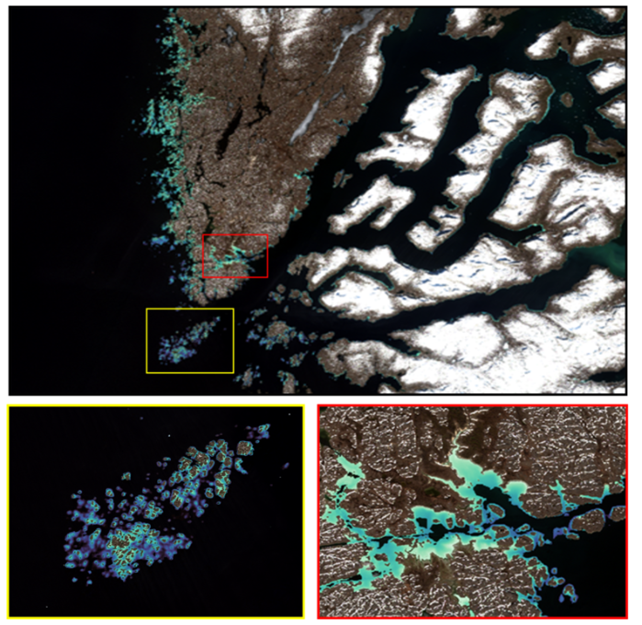
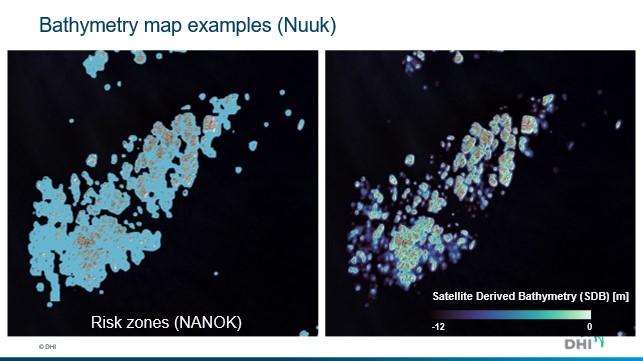
Assessing and developing Earth observation methods to detect submerged navigational hazards, estimate shallow‑water bathymetry, and reconstruct spatially varying tidal conditions using satellite data and machine learning.

Demonstrating how EO‑derived coastal hazard intelligence can support safer maritime operations, improved situational awareness, and better preparedness for navigation and emergency response in Arctic waters.

In more detail..

EO4Hazards builds on the DHI led NANOK project by extending satellite based coastal mapping towards a more comprehensive coastal hazard intelligence framework.

The project integrates multiple Earth observation data sources, including Sentinel 2 optical imagery, ICESat 2 altimetry, and sea surface height measurements from the SWOT mission, combined with machine learning models tailored to Arctic coastal environments.

A central innovation of EO4Hazards is the reconstruction of spatially varying tidal conditions using SWOT data, closing a long standing information gap in narrow fjords and near shore waters where conventional satellite altimetry and tide gauges are unavailable. These tidal estimates are used to correct and contextualise shallow water bathymetry products, enabling more robust identification of hazardous zones relevant for navigation.

The project focuses on selected areas along Greenland’s west coast, including fjords and coastal approaches where traditional hydrographic surveys are sparse or non existent. All workflows are designed for scalability, enabling rapid large area mapping that would be impractical using vessel based surveys alone.

EO4Hazards places strong emphasis on operational relevance. The generated products are tested and evaluated in collaboration with maritime authorities and operators, ensuring that outputs are fit for real world use and can be delivered in formats compatible with existing navigation and planning systems.

The National Defence Technology Centre:

This project is financed by The National Defence Technology Centre (NFC). NFC supports defence technology research and testing in Denmark at the highest international level.

It is led by DHI in collaboration with DTU Space and the Greenland Institute of Natural Resources.

Related items

Earth Observation Centre of Excellence part of the DHI GROUP

info@dhigroup.com
+45 4516 9200

Agern Alle 5,
2970 Hørsholm,
Denmark

CVR: 36466871

Global Wetland Watch platform launched: a new open window on the world’s wetlands​

Global Wetland Watch platform launched: a new open window on the world’s wetlands

28 April 2026

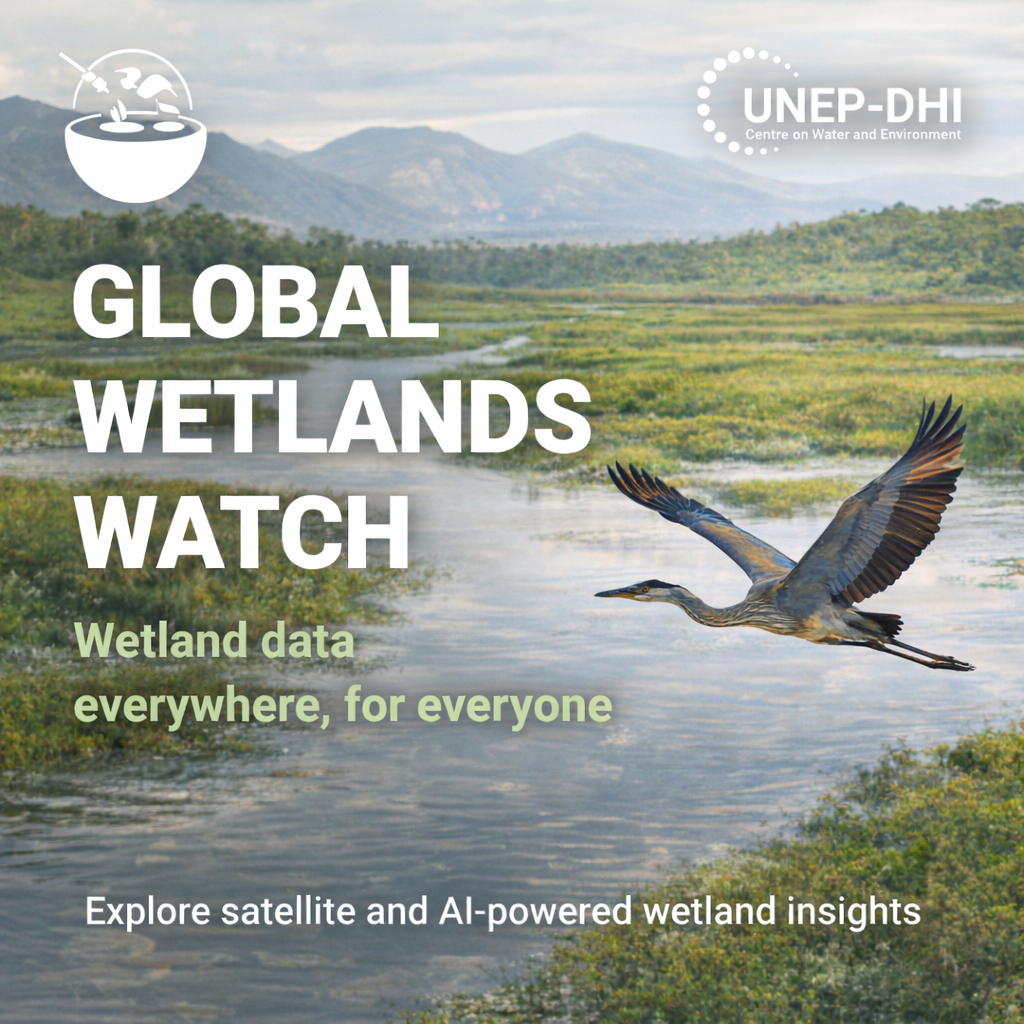
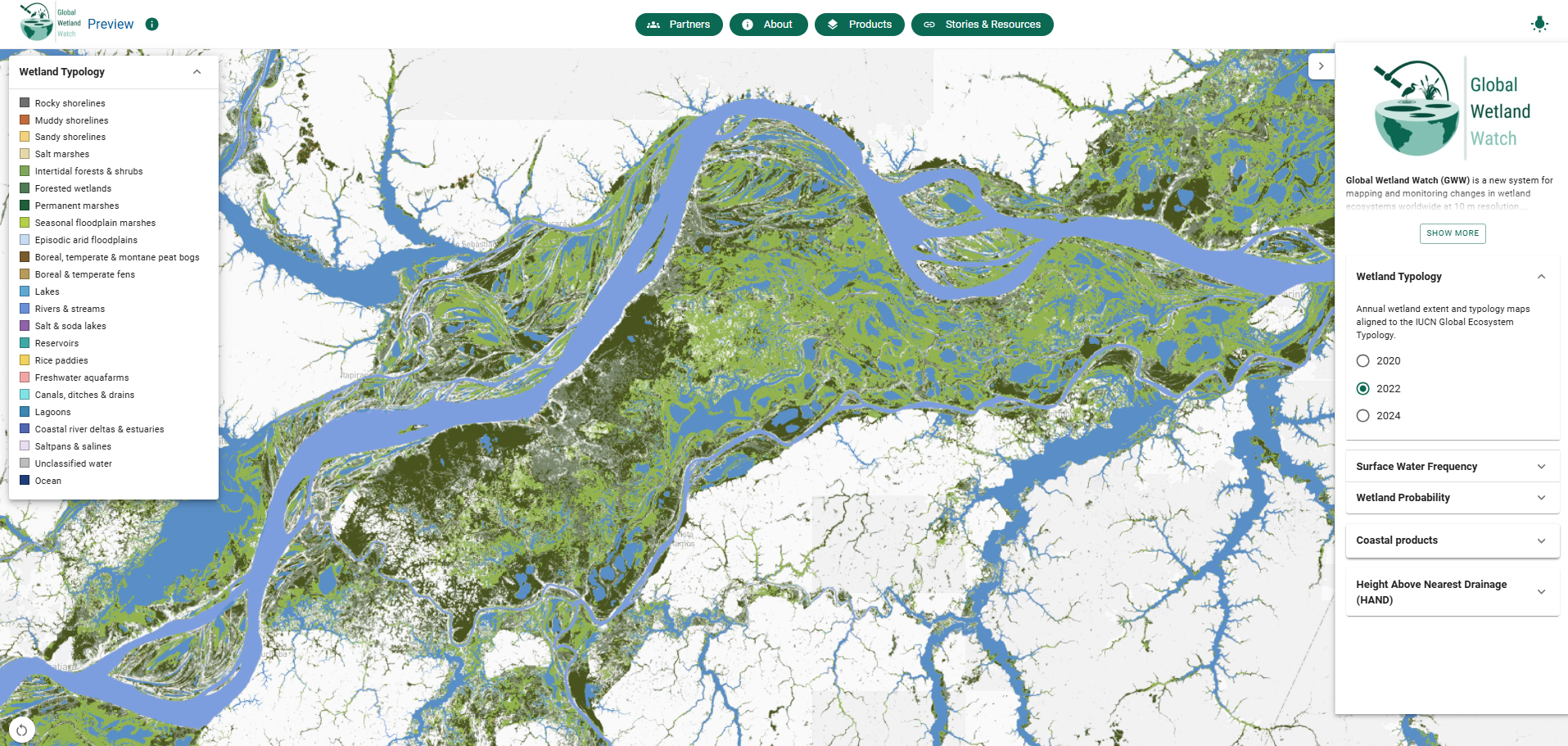
DHI and partners have officially launched the preview version of the Global Wetland Watch (GWW) platform, making decades of advances in Earth observation available through a single, open and globally consistent platform.

The preview launch coincides with World Wetlands Day 2026 and provides early access ahead of the full platform release scheduled for December 2026.

Explore the Global Wetland Watch map

Wetlands are among the most important ecosystems on the planet. They regulate water flows, capture and store carbon, buffer communities against floods and droughts, support biodiversity, and sustain livelihoods and cultural heritage worldwide. Despite their importance, wetlands continue to decline globally, often due to inconsistent monitoring approaches and limited access to reliable data.

A global, data‑driven view of wetland change

Funded by Google.org and powered by Google Earth Engine, Global Wetland Watch combines satellite imagery, artificial intelligence, and hydrological expertise to provide a consistent global picture of wetlands and how they change over time.

The platform is developed through a collaboration between DHI, the UNEP–DHI Partnership – Centre on Water and Environment, and the United Nations Environment Programme (UNEP).

From experts to communities

By making advanced Earth observation analytics openly accessible, Global Wetland Watch lowers the barrier to engaging with wetland data. Governments, NGOs, researchers, Indigenous Peoples, and local communities can explore wetland extent and dynamics without the need for specialist software or advanced technical expertise.

Preview now, full launch later this year

The current release represents a public preview of the Global Wetland Watch platform. Additional datasets and capabilities will be introduced ahead of the full platform launch in December 2026.

Orbital Assets

Why is it important?

Earth Observation (EO) technology holds significant potential as a synoptic means to map and monitor building assets and material stocks in urban environments - thus providing key information to improve resource efficiency and circularity within the building and construction sector. This project will uncover the potential of EO and advanced machine learning technology to map building objects and elements and assess the typology of potentially reusable building material/deposits in urban areas to underpin circular economy objectives.

Project highlights:

Analysing and documenting needs and requirements for geoinformation data solutions amongst key stakeholders in the building and construction industry

Assessing the technical feasibility of EO solutions to map and monitor material stocks and building condition, in line with the needs and requirements of the key stakeholders.

Demonstrating the application of EO solutions to improve reuse and recycling of material stocks and underpin smarter building maintenance frameworks in the building and construction industry.

In more detail..

Construction and demolition waste makes up 41 % of the total waste generation in Denmark and just over one third of the total waste generation in the EU. However, despite relatively high recovery rates of used materials in most EU countries, most of the recovery of construction waste is largely based on low-grade backfilling operations. Higher and better-quality recycling of existing building materials is needed to reduce the carbon footprint of the construction industry, and ultimately reduce costs – yet largely incomplete and outdated information about existing building assets impedes efforts to make longer term planning and integrate such resources in existing/future projects.

Earth Observation (EO) technology holds significant potential to address this data gap as a timely and synoptic resource to provide up to date information about urban objects as well as resource availability, location, typology, and condition. Thus, EO could provide new avenues for improving resource efficiency and circularity within the building and construction sector – and tap into a market believed to be worth between 10-12 million € per year, in Denmark alone.

Orbital Assets will explore the potential of novel deep learning technology and Copernicus Sentinel data, in addition to aerial photos, lidar data, street view imagery and other relevant data sources, to assess and monitor built environments and objects/materials on individual buildings and their surroundings.

The primary objectives are to identify and test the potential of EO solutions to:

    1) Quantify and qualify existing building resources by exploring the application of deep learning algorithms and a variety of EO data sources to systematically map, monitor and count different building objects with a view to estimate the availability of potentially reusable building material. The potential of such application could underpin new ways to adapt and built assets in line with circular principles for building design, thus contributing to reduce the carbon footprint of the construction industry and ultimately, reduce costs.

    2) Improve building maintenance frameworks by exploring the application of deep learning technology and EO data sources to automatically monitor the health and condition of individual buildings as well as their surroundings. The intention of the activity is to explore the feasibility of deep learning and EO data to detect and map parameters such as, larger cracks in bricks, windows, pipes and facades; faded or peeling paint; vegetation overgrow; weathered, missing or damaged rooftop shingles; damaged solar cells and other relevant parameters.
The project is implemented in partnership with ORCA, experts of circular solutions in the urban domain.

European Space Agency:

About ESA and ESA Space Solutions:

The European Space Agency (ESA) is Europe’s gateway to space. ESA is an intergovernmental organisation, created in 1975, with the mission to shape the development of Europe’s space capability and ensure that investment in space delivers benefits to the citizens of Europe and the world. European Space Agency (esa.int)

ESA Space Solutions is the go-to place for great business ideas involving space in all areas of society and economy. Its mission is to support entrepreneurs in Europe in the development of business using satellite applications and space technology to improve everyday life. ESA Space Solutions

Earth Observation Centre of Excellence part of the DHI GROUP

info@dhigroup.com
+45 4516 9200

Agern Alle 5,
2970 Hørsholm,
Denmark

CVR: 36466871

VeriCAP

Why is it important?

Every year, paying agencies across the EU performs thousands of on-site control visits to field parcels across nations, to check if farmers report correctly on crop types and farm management practices according to the rules, procedures and eligibility requirements under the framework of EU’s Common Agricultural Policy (CAP). A single control visit is often not sufficient to cover the different agricultural activities over the year, thus increasing demands of time and resources for both paying agencies and applicants.

How can it help?

In line with the requirements of the 2020 CAP reform, aiming to modernize and simplify CAP requirements, satellite-based CAP monitoring solutions are increasingly being adopted to address the existing monitoring burden, as a cost efficient and effective solution to monitor crops and activities on field parcels at national level.

VeriCAP provides a streamlined and accurate check by monitoring (CbM) solution to monitor crop types and farm management practices according to CAP rules and requirements. VeriCAP has been developed, tested and operationally implemented at national level by the Danish Agricultural Agency (DAA), as an end-to-end CAP monitoring solution, enabling them to harmonise existing monitoring frameworks, reduce the need for field visits and ultimately, increase effectiveness and reduce costs.

VeriCAP provides an integrated, scaleable and flexible solution that serves the specific priorities and local conditions of each EU member state or regional authority.

What you get!

A powerful back-end image processing chain for handling petabytes of satellite data to validate parcel boundaries,  map and monitor crop types, grassland activity, harvest and ploughing and catch crops.

An advanced analytics toolbox for machine learning, deep learning and time series analysis and a sleek front-end web viewer for easy presentation of results and reporting.

A tailored and integrated solution conforming to local conditions and specific needs and requirements of the client. 

Typical customers?

National and regional paying agencies in the EU with a need to increase effectiveness in CAP monitoring in line with the requirements of the CAP2020 reform

Specifications

  • Six core CAP monitoring services:
      1. Parcel boundary validation
      2. Crop classification
      3. Grassland activity
      4. Ploughing
      5. Harvest
      6. Catch crops
  • Parcel level analysis as well as subparcel /pixelbased analysis and products – making best use of Sentinel 1/2, Landsat and commercial data sources, such as Planet data.

  • Markers updated on a daily basis and solution is operational on national scale
  • A sleek and customized interactive web viewer for easy data visualization, interpretation and reporting
  • The solution is available for any country or regional authority in the EU and flexible to be implemented based on the specific needs,  regulations, and regional conditions 

More information

Contact Lotte Nyborg (ln@dhigroup.com) for more information on VeriCAP.

Earth Observation Centre of Excellence part of the DHI GROUP

info@dhigroup.com
+45 4516 9200

Agern Alle 5,
2970 Hørsholm,
Denmark

CVR: 36466871

Join us for the ET4FAO Final Virtual Workshop

Join us for the ET4FAO Final Virtual Workshop

17 MAY 2021

ET4FAO final workshop, May 25 from 13:00 – 15:00 CET

Agenda:

13:00-13:10        Introduction, Radoslaw Guzinski, DHI GRAS

13:10-13:20        WaPOR portal and ET products, Livia Peiser, FAO

13:20-14:00        ET4FAO methods, Radoslaw Guzinski, DHI GRAS

14:00-14:30        ET maps inspection and validation, Hector Nieto, Complutig

14:30-14:55        Copernicus-based ET, Benjamin Koetz, ESA

14:55-15:00        Conclusions, Radoslaw Guzinski, DHI GRAS

Growing populations and associated increase in food production, together with shifting weather patterns due to climate change, are putting increased pressure on fresh water resources. A large majority of worldwide fresh water withdrawals are for agricultural use and specifically for crop irrigation. For example, in the Mediterranean region the agricultural water use can comprise up to 70% of withdrawn fresh water. Therefore, the use of modern technology to improve crop water use efficiency at field, as well as at regional and national levels, is an urgent necessity.

Satellite-based Earth Observation (EO) is an example of such a technology which could have significant impact on agricultural water use. In particular, a combination of thermal and optical observations can be used to estimate the actual evaporation (E) from the soil and transpiration (T) from the vegetation, which taken together are called evapotranspiration (ET) and represent the actual flux of water from the land surface into the atmosphere.

By utilizing the knowledge of ET at appropriate spatial and temporal scales, it is possible to better allocate water used for irrigation, thus increasing the sustainability of agriculture and hence ensuring the livelihoods of farmers in a changing climate. At the same time, the EO-derived ET maps can be used for national-scale water use accounting and water productivity monitoring, which are required reporting on Sustainable Development Goal indicator 6.4.1, and can be used to plan and execute national water strategies.

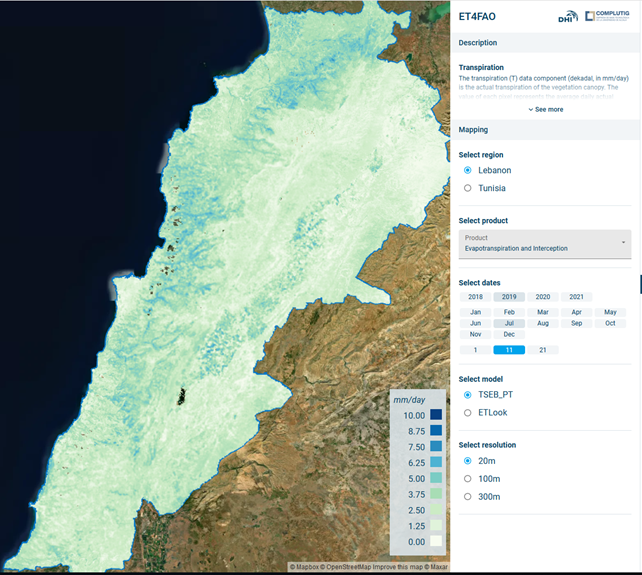
The Copernicus Sentinel satellite constellation holds all the required spatial, temporal and spectral properties required for mapping of ET at different spatial scales. As part of our ESA funded project “Increasing crop water use efficiency at multiple scales using sentinel evapotranspiration – ET4FAO”, we have evaluated the suitability of using Copernicus data (in particular Sentinel-2 and Sentinel-3 satellite observations and ERA5 meteorological data) and methods developed in the “Sen-ET project” to produce national-scale ET maps which are consistent at multiple spatial resolutions (20 m to 300 m). Such ET data will be critical to consistently map and monitor water use efficiency from field to national levels and could be used during the evolution of FAO’s WaPOR portal.

Under the framework of ET4FAO, we are hosting a final workshop on May 25, from 13:00 – 15:00 CET, entitled “Consistent Estimation of Evapotranspiration at Multiple Spatial Scales Using Copernicus Data”, together with ESA and our partners in FAO and COMPLUTIG, where we will present the outputs and lessons learned.

This workshop will outline the methods developed during the project, showcase Copernicus based ET maps which are available here, and present validation against field measurements and comparison with WaPOR products. The future potential of Copernicus-based ET products will be also discussed.

The workshop is targeted to experts in remote sensing in the field of agriculture and hydrology.

SAR4SAR – Enhancing Arctic Search and Rescue operations using radar satellite imagery

Why is it important?

Maritime activity across the Arctic is increasing together with increased economic activity and geopolitical awareness in the region. The increased traffic is mainly due to fishing, bulk carrier traffic, mineral exploration activities, cruise tourism but also an increasing need for sovereignty enforcement capabilities. Adding to this, local traffic, of which smaller fishing vessels, recreational boating, and local tourist operators are the main purposes.

Consequently, supporting safety at sea, safeguarding national sovereignty as well as offering support to the civil society, efficient and capable naval and first responding capacities are being important as ever before to Arctic societies and nations. As examples of this, in Greenland alone, every year more than 50 search-and-rescue operations take place, where smaller boats and dinghies (dark-vessels) are involved.

Also, cruise tourism in the Arctic is expected, post-COVID-19, to attract even more tourists. These cruise ships often carry well over 500 passengers and in the event of an emergency situation where life rafts have to be used, there will be a pronounced need to provide an overview of the positions of these rafts, as they can quickly spread over large areas, due to rough environmental conditions.

All in all, the increased Arctic maritime traffic constitutes an increasing safety risk element, which is why increased capabilities concerning the location of small maritime objects and dark-vessel detection are required.

Project highlights:

Exploring how Danish companies within the marine, security and defense sectors can contribute with solutions increasing the visibility of small maritime objects in radar satellite images.

Feasibility live tests of equipment and tech solutions under Arctic conditions, securing Arctic-fit solutions.

Bridging scientific and industry knowledge and experience, safeguarding scientific and industry excellence and requirements.

In more detail..

Maritime activity across the Arctic is increasing together with increased economic activity and geopolitical awareness in the region. Supporting safety at sea, safeguarding national sovereignty as well as offering support to the civil society, efficient and capable naval and first responding capacities are being important as ever before to Arctic societies and nations and a clear need for enhanced navigational situational awareness exists.

Adding to this, communication opportunities in the Arctic are often limited outside the populated areas, due to vast distances and lack of communication infrastructure. In the case of dark-vessel-detection, e.g. for search-and-rescue operations, navies and first responders often have to search vast areas with little opportunity to efficiently identify the exact location of those in need in the often harsh environmental conditions.

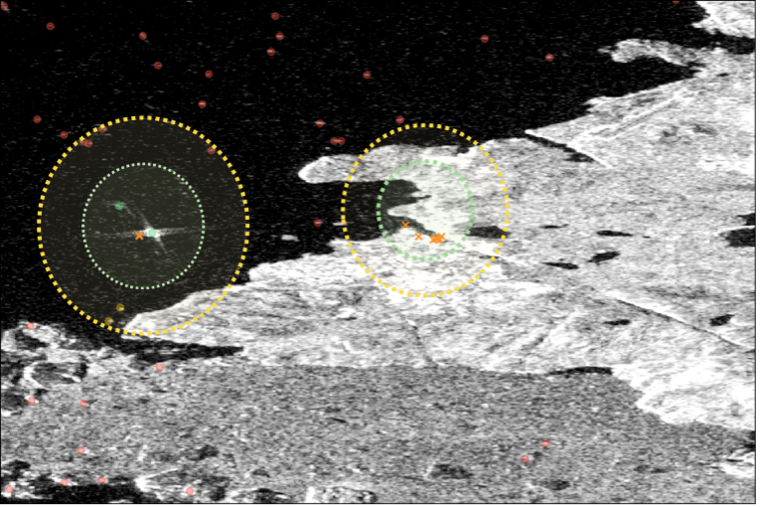
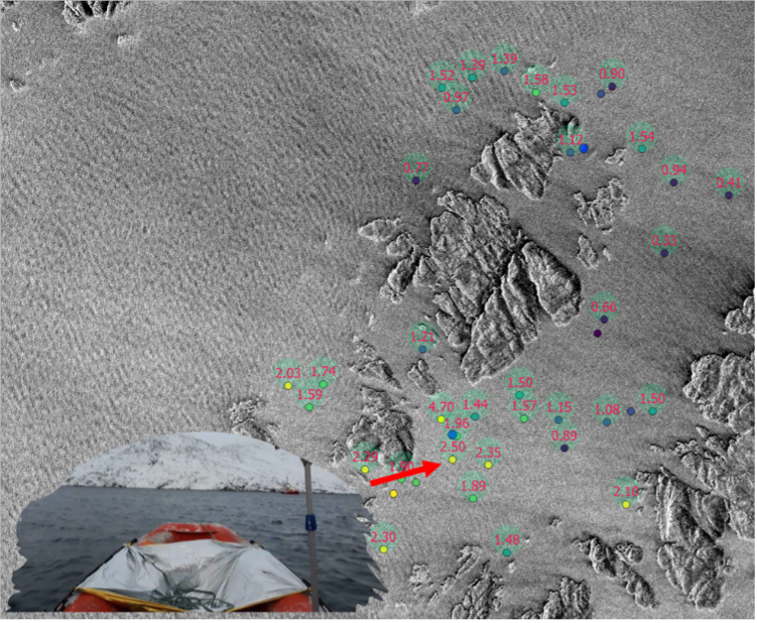
Satellite-based decision support allows among other things efficient object identification within large areas. However, satellite-based object identification in the Arctic is challenged by a number of factors, including cloud cover, limited sunlight much of the year as well as large geographical areas, and widespread lack of up-to-date coastal information. SAR (Synthetic Aperture Radar) based sensors utilize microwave reflection against a given surface and can thus operate independently of cloud cover and light conditions, which is why SAR-based satellite data is particularly suitable under Arctic conditions.

The challenge of object identification in connection with search-and-rescue operations using SAR satellite data is that publicly available, e.g., Sentinel 1 from the European Space Agency (ESA), does not offer a sufficiently high spatial resolution to determine objects smaller than about 20m. In addition, the temporal resolution is also too low (3-5 days return visit time) to provide near-real-time data.

Due to recent and substantial expansion in commercial satellite constellation capabilities, it is possible to obtain high temporal and spatial resolution radar satellite data. However, detecting small maritime objects and dark vessels remains a challenging task and therefore SAR4SAR will explore how these challenges can be overcome by combining research and industry knowledge and tested in a live environment.

Center for Defence, Space & Security:

The Center for Defence, Space & Security (CenSec) is the prime Danish cluster for small and medium-sized enterprises specializing in high tech industries like defence, homeland security, space, aerospace, railway and maritime.

CenSec was founded in 2004 and established in 2007 as an industrial cluster. In 2018, CenSec was approved by the Danish Ministry of Higher Education and Science to also become a national Innovation Network for Security (Inno-Sec)

Related items

AI4ALERT

Developing novel geointelligence solutions to underpin security and defence related needs and requirements

Read More

Global Seas

Delivering earth observation enriched high-quality metocean data to enhance fuel efficiency in the shipping industry. . . .

Read More

Earth Observation Centre of Excellence part of the DHI GROUP

info@dhigroup.com
+45 4516 9200

Agern Alle 5,
2970 Hørsholm,
Denmark

CVR: 36466871